The U.S. Treasury Department on October 21 sanctioned law firm Karnakis and Karnakis , five associated individuals, a cargo fleet operator, and two shipping agents. OFAC also identified nine vessels as blocked property and issued two limited Iran-related general licenses.
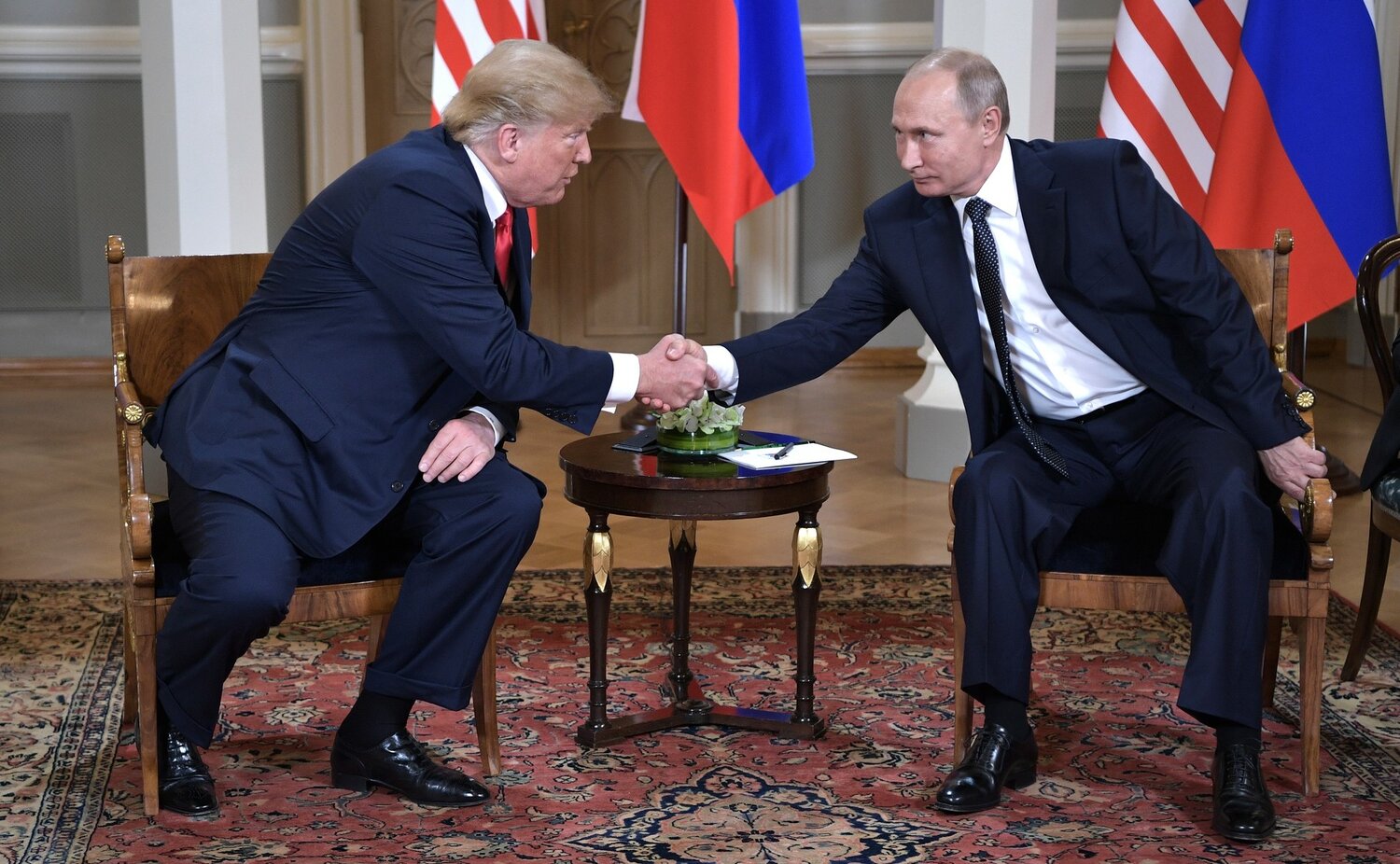
President Trump issued an executive order on October 16 implementing the Lindsey O. Graham Sanctioning Russia and Iran Act of 2026 while waiving its tariff provisions and numerous sanctions and restrictions.

The sanctions bring trade-secret risk directly into investment compliance, requiring banks, fund managers, and technology companies to assess their exposure to the designated MiraclePlus entities.
U.S. private equity firm Carlyle Group has abandoned its active pursuit of Lukoil's international assets after its acquisition agreement expired without Treasury Department approval, leaving a consortium led by investor Todd Boehly among the remaining contenders for the Russian oil company's overseas business.
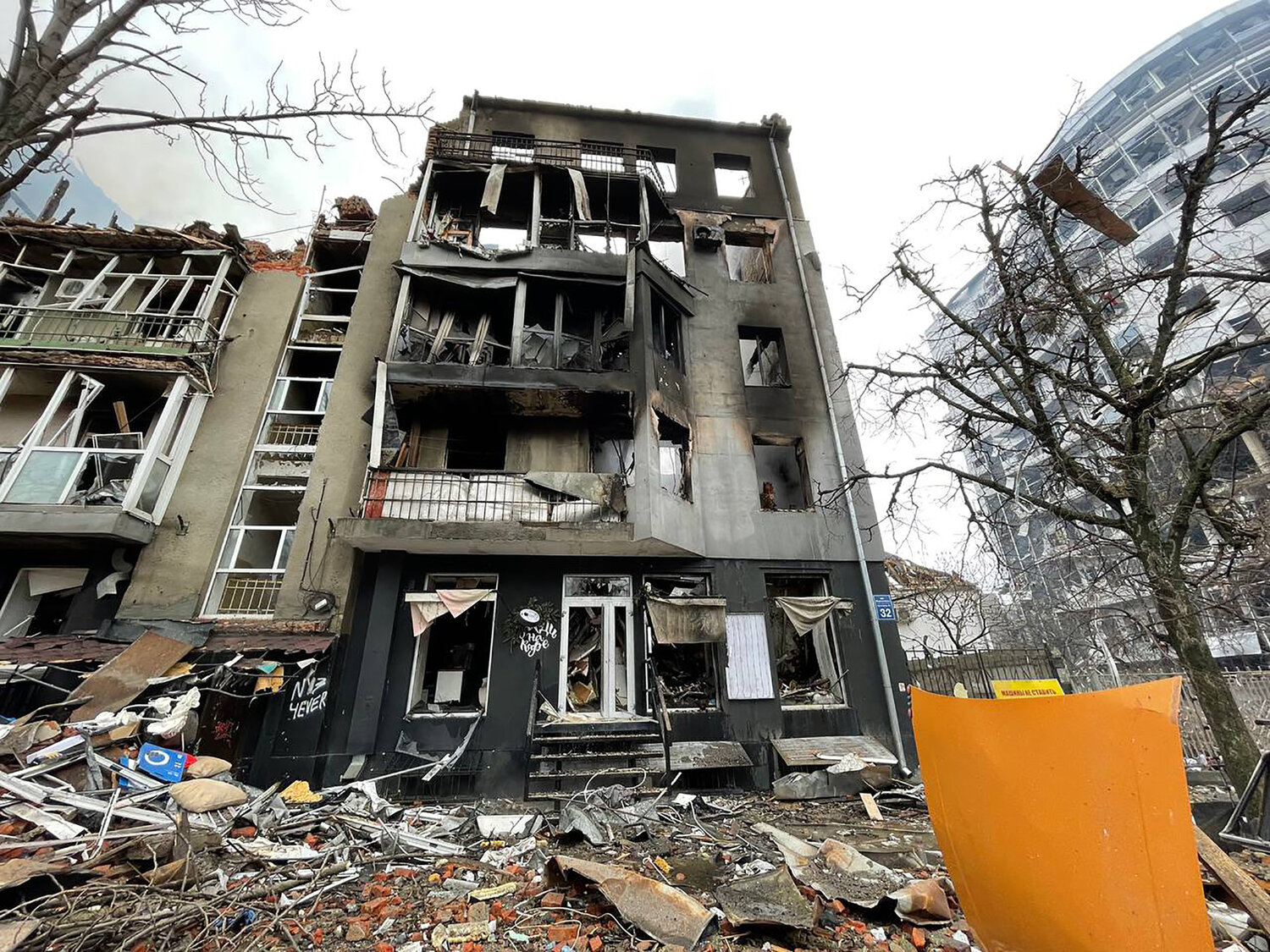
The European Union added 1,646 persons and entities to its Russia sanctions list on October 12, increasing the number of designations under its Ukraine territorial-integrity regime by about 35%, to nearly 4,600.
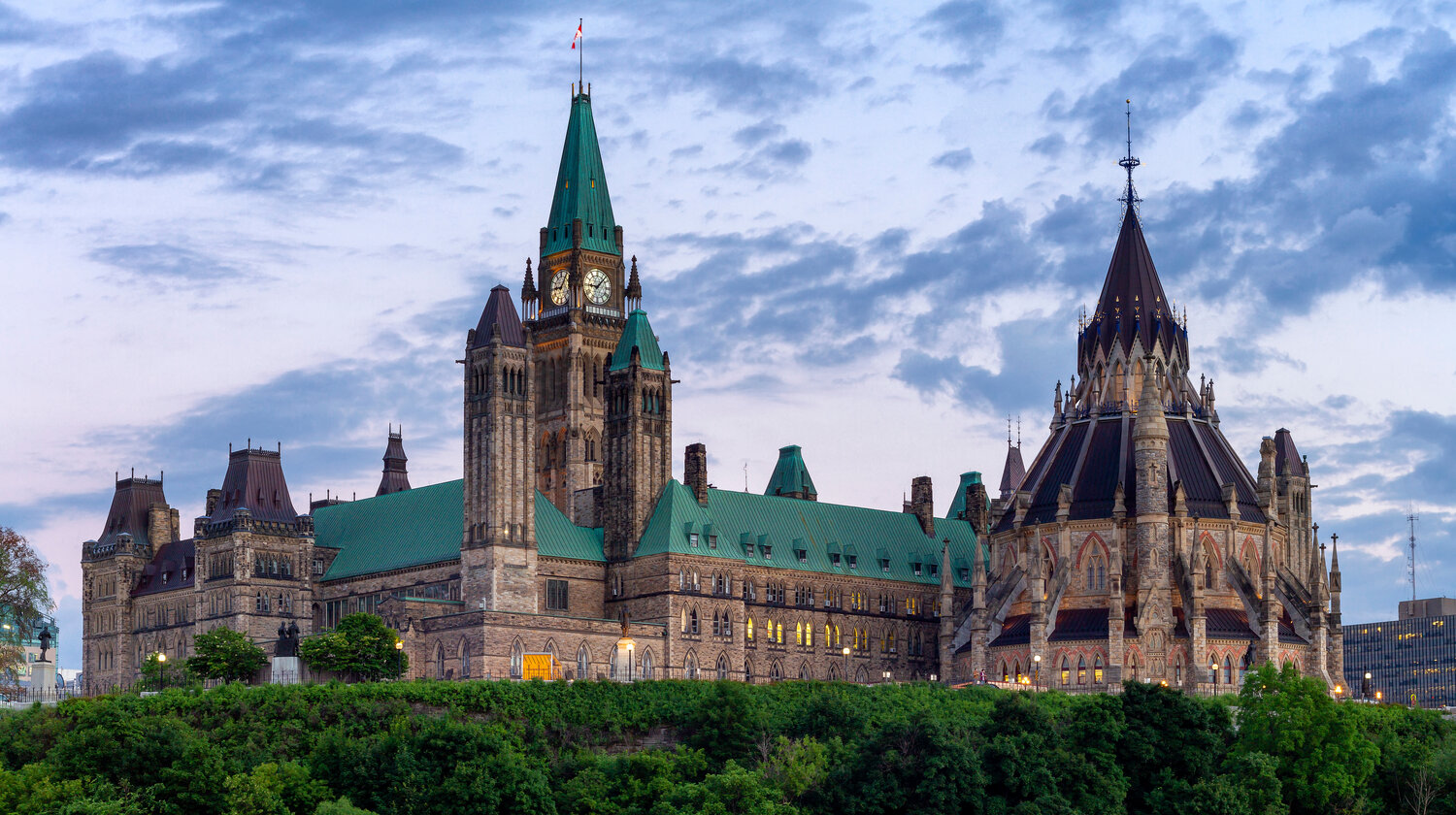
Global Affairs Canada (GAC) has published guidance on Canada’s sanctions deemed ownership provisions, addressing when a listed person’s control of an unlisted entity can bring that entity’s property within sanctions restrictions. The guidance warrants attention from financial institutions, businesses and counsel assessing counterparties with complex ownership or governance arrangements.

The U.S. Treasury Department’s Office of Foreign Assets Control removed Jorge Jesús Rodríguez Gómez, president of Venezuela’s National Assembly, and brother of Delcy Rodríguez, Venezuela’s acting president, from its Specially Designated Nationals and Blocked Persons List. OFAC also extended General License 60, permitting earthquake relief transactions otherwise prohibited by the Venezuela Sanctions Regulations.

The licenses avert an immediate operational shutdown but leave the ICC under sustained U.S. leverage. Routine subscriptions, telecommunications and enterprise software may continue—some indefinitely, others only through April 7, 2027—but vendors must still screen separately sanctioned officials and may withdraw services voluntarily.
The bipartisan appeal puts pressure on the administration to translate the new sanctions law into enforcement before most provisions take effect Oct.
The U.S. Treasury Department’s Office of Foreign Assets Control warned foreign financial institutions on October 5 that continued dealings with Iran or its financial sector could expose them to sanctions under Operation Economic Outcast. The alert states that institutions transacting with sanctioned Iranian financial institutions could be targeted “at any time without advance notification” and urges them to terminate those activities and relationships.

Included in the "modernization initiative," OFAC dropped sanctions on former Belarusian transport minister Aliaksei Mikalaevich Auramenka , designated in August 2021 for the forced diversion of Ryanair flight FR4978 and the resulting arrests. The update also removed the designations of three Venezuelans sanctioned for corruption, obstruction of humanitarian aid and undermining democracy.
The Treasury Department has sanctioned the Russia-linked A7 Network as a significant transnational criminal organization while FinCEN has moved separately to bar U.S. financial institutions from transmitting funds involving A7's overseas sub-agents, targeting a payment network built to keep Russian foreign trade moving under Western sanctions.
The Treasury Department’s Office of Foreign Assets Control has consolidated penalty and enforcement provisions for sanctions imposed under the International Emergency Economic Powers Act and the United Nations Participation Act in new 31 C.F.R. Part 505.
Treasury issued determinations under Executive Order 13902 on October 1 targeting Iran’s automotive and rail sectors, alongside designations of industrial firms and foreign suppliers.

OFAC’s latest rules tighten Cuba sanctions by restricting intermediary payments, withdrawing authorization for certain dollar transfers and private-sector bank accounts, and narrowing educational and professional travel permissions. Effective September 30, 2026, the changes require prompt review of payment processing, affected accounts, and planned travel. Separate rules codify existing Iran and Cuba sanctions authorities and consolidate administrative provisions without repealing underlying compliance obligations. OFAC announcement
The changes primarily reorganize existing rules and reflect sanctions relief already granted. OFAC’s new penalties regulations preserve existing enforcement provisions, while the Syria amendment removes an authorization made unnecessary by the country’s earlier delisting.
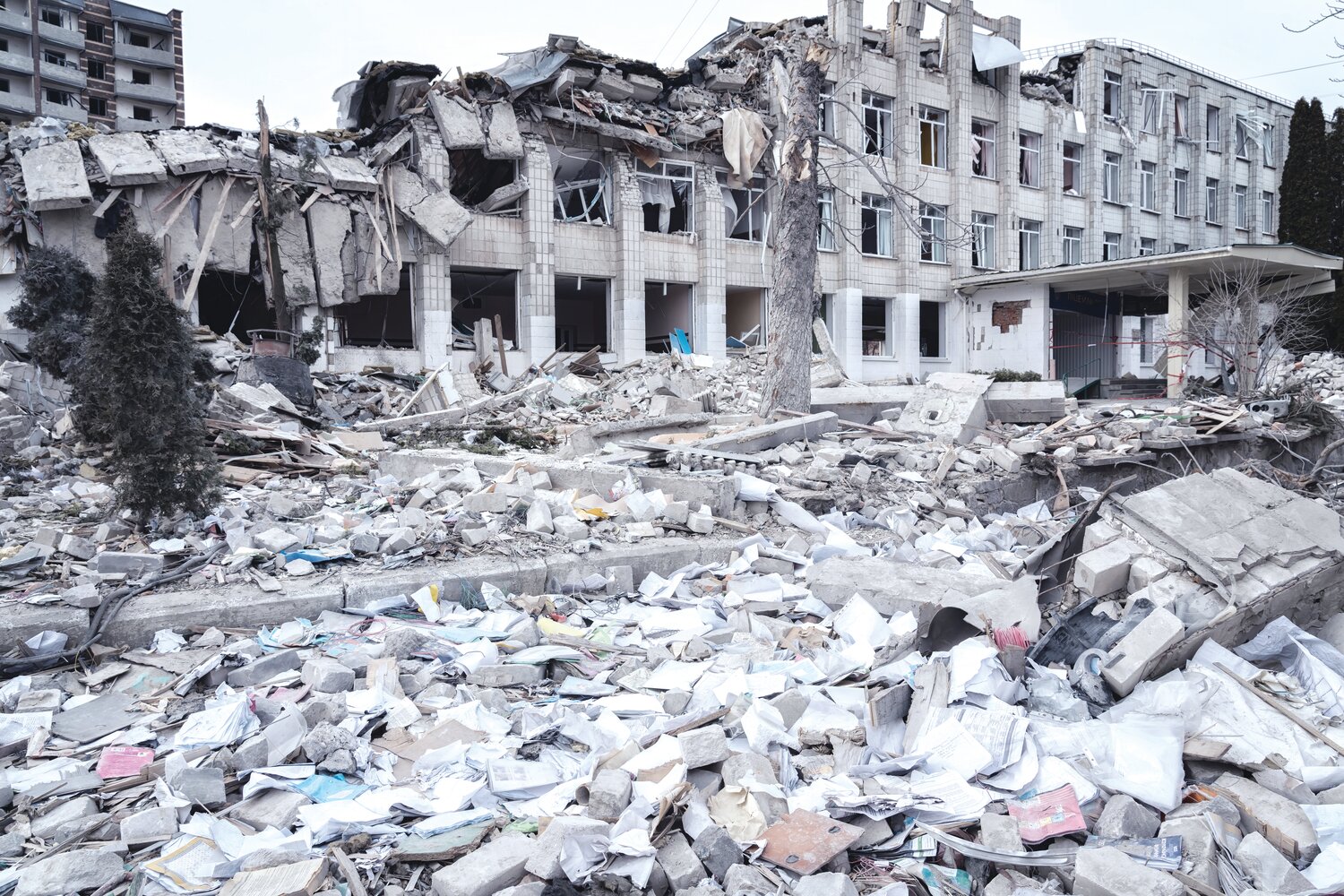
The compromise preserves EU restrictions on more than 2,600 Russia-linked targets until 2029 but lifts EU-wide asset freezes and travel bans on Usmanov and Fridman. Latvia objected that the delistings weakened pressure on Moscow, ultimately abstaining to save the broader regime while imposing national sanctions on both men.

Carlyle’s bid for Lukoil’s international business is facing a challenge from a rival consortium backed by the White House and Gulf investors, complicating a deal that has OFAC clearance but still awaits final Trump administration approval, the Financial Times reported.
The delistings lift sanctions imposed in 2017 over Olenga’s leadership of the Republican Guard, which Treasury accused of suppressing political opposition and undermining democratic processes under then-President Joseph Kabila. Safari Club was sanctioned because Olenga owned or controlled it.

Latvia has blocked a proposed compromise that would have removed Russian-linked billionaires Alisher Usmanov and Mikhail Fridman from the European Union’s sanctions list while extending restrictions on more than 2,600 other individuals and entities.