The U.S. Treasury Department on October 21 sanctioned law firm Karnakis and Karnakis , five associated individuals, a cargo fleet operator, and two shipping agents. OFAC also identified nine vessels as blocked property and issued two limited Iran-related general licenses.

President Trump’s expected participation in a November leaders’ summit could revive a grouping whose momentum has faltered amid diplomatic tensions and competing U.S. priorities.
The Department of Homeland Security has published an order excluding DeepSeek products from federal civilian procurements and requiring their removal from agency information systems. Its reach extends beyond the Chinese developer’s own offerings to “third-party products and services developed using DeepSeek implementations,” raising questions about how federal suppliers identify and document the models underlying their products.

The Pentagon’s university audits and MI5’s warning expose a common research security problem: a collaborator’s institutional affiliation may not reveal who ultimately funds or benefits from the work.
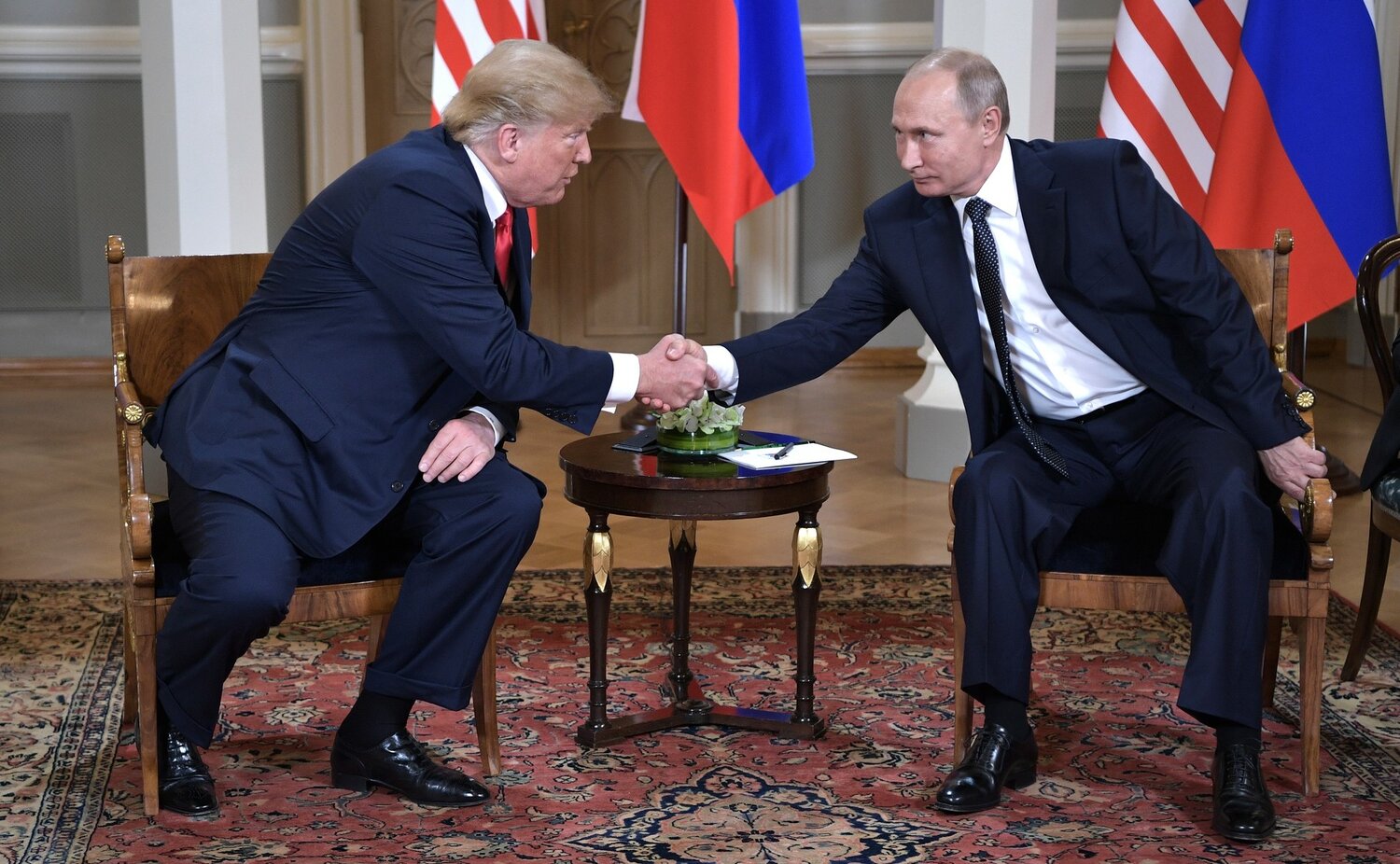
President Trump issued an executive order on October 16 implementing the Lindsey O. Graham Sanctioning Russia and Iran Act of 2026 while waiving its tariff provisions and numerous sanctions and restrictions.

The sanctions bring trade-secret risk directly into investment compliance, requiring banks, fund managers, and technology companies to assess their exposure to the designated MiraclePlus entities.

The Federal Maritime Commission has proposed a $200,000 fee on Spanish-flagged vessels entering U.S. ports and restrictions on selected Spanish exports, escalating a dispute over Spain’s denial of port access to vessels carrying cargo bound for or coming from Israel. The proposal would extend the dispute to U.S. importers of Spanish olive oil, cosmetics, ceramics, and other goods.

The dispute puts COSCO’s access to reduced U.S. port inspections under scrutiny as lawmakers press the Coast Guard to account for national security risks alongside vessel safety. COSCO has denied the espionage allegations, saying its onboard equipment serves legitimate commercial purposes.
U.S. private equity firm Carlyle Group has abandoned its active pursuit of Lukoil's international assets after its acquisition agreement expired without Treasury Department approval, leaving a consortium led by investor Todd Boehly among the remaining contenders for the Russian oil company's overseas business.
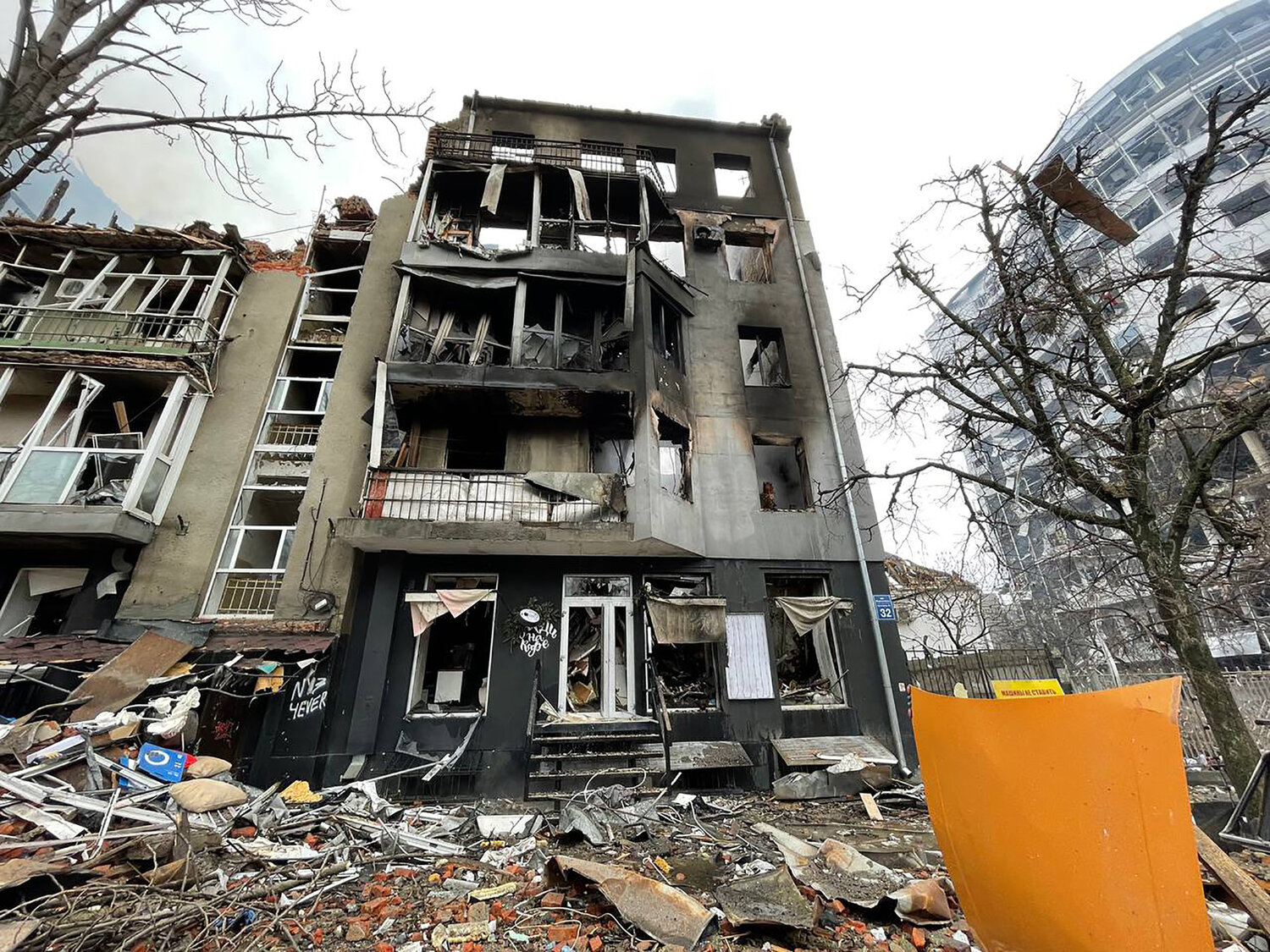
The European Union added 1,646 persons and entities to its Russia sanctions list on October 12, increasing the number of designations under its Ukraine territorial-integrity regime by about 35%, to nearly 4,600.

The result lowers the combined duty rate for many Canadian lumber suppliers but leaves importers with company-specific obligations and a separate tariff burden.

Members remained at odds over non-discrimination, development treatment, and institutional authority, while new reporting documented progress in resolving market access concerns and expanding supply chain finance.
Michigan Republican Rep. John James has proposed using a portion of revenue from tariffs on Canada to assist U.S. businesses that demonstrate tariff-related economic injury.
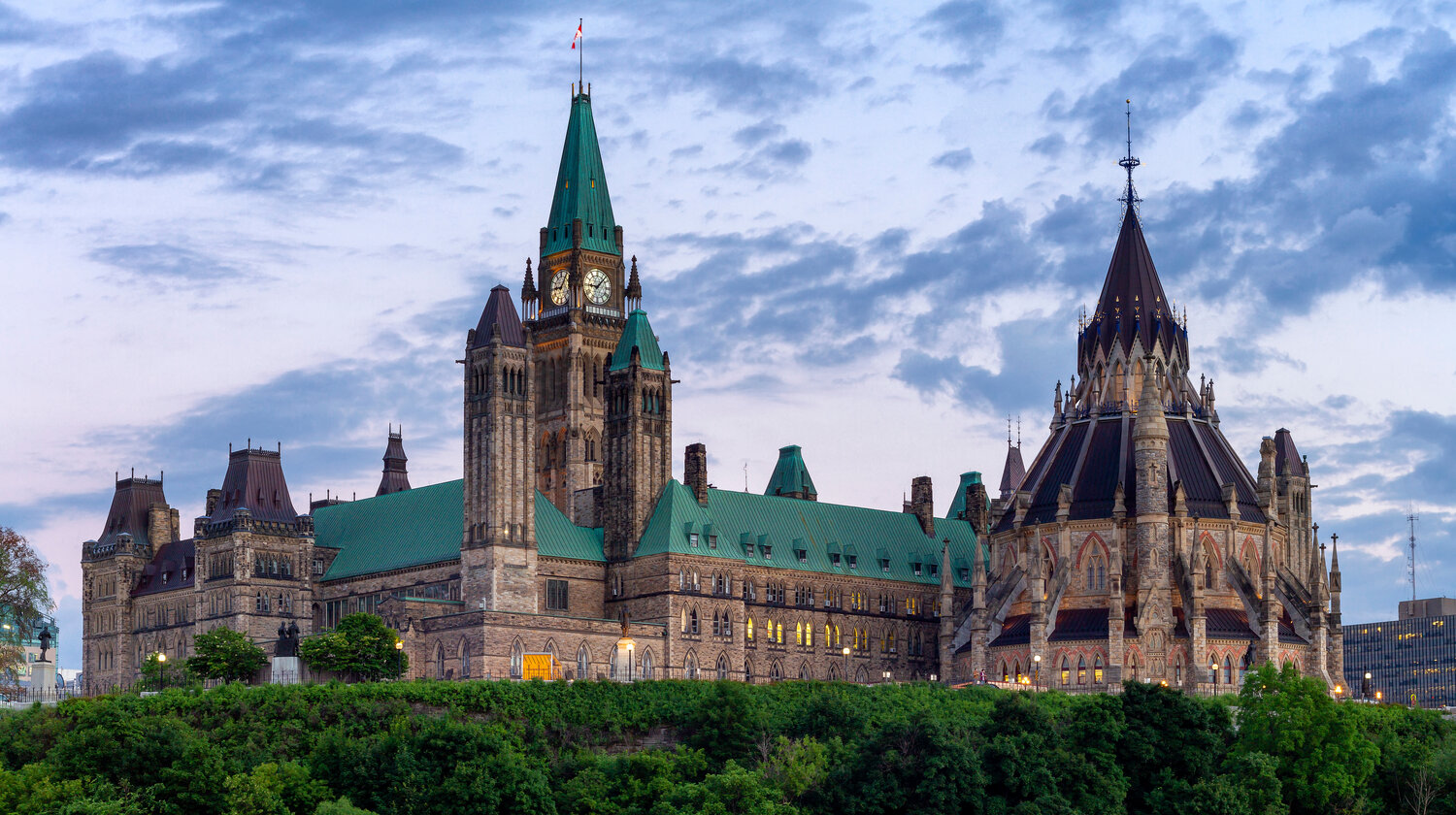
Global Affairs Canada (GAC) has published guidance on Canada’s sanctions deemed ownership provisions, addressing when a listed person’s control of an unlisted entity can bring that entity’s property within sanctions restrictions. The guidance warrants attention from financial institutions, businesses and counsel assessing counterparties with complex ownership or governance arrangements.
The proposal would extend China’s technology export controls across three strategic industries, with consequences for overseas licensing, technology transfers and changes in ownership or control. Although the proposed prohibitions and restrictions remain under consultation, the immediate registration requirement means companies must assess pending transactions now, including transfers already underway.
The Justice Department is seeking approximately $290.4 million in unpaid duties and fraud penalties from Uni-Tile & Marble Inc. and its chief executive officer, Xin Mian Pan, in a civil customs enforcement action that examines their alleged role in imports entered through other companies.

A Russian national extradited from Sweden faces federal charges for allegedly using a Hong Kong electronics company to obtain U.S. components for Russian customers, conceal their ultimate destination, and finance purchases through overseas bank accounts.

Sasa Micev, a Bosnian national, was sentenced to five years in federal prison after pleading guilty to violations of the International Emergency Economic Powers Act and the North Korea Sanctions Regulations arising from an attempted purchase of North Korean anti-aircraft missiles, the Justice Department announced October 14, 2026.

The U.S. Treasury Department’s Office of Foreign Assets Control removed Jorge Jesús Rodríguez Gómez, president of Venezuela’s National Assembly, and brother of Delcy Rodríguez, Venezuela’s acting president, from its Specially Designated Nationals and Blocked Persons List. OFAC also extended General License 60, permitting earthquake relief transactions otherwise prohibited by the Venezuela Sanctions Regulations.
The Department of Commerce’s Bureau of Industry and Security has issued guidance defining “U.S. content” for tariff treatment under clause (2)(d) of Proclamation 11032. The guidance concerns products of Canada and Mexico that qualify for preferential treatment under the United States–Mexico–Canada Agreement. Its practical significance turns on how importers establish and value qualifying U.S. content.