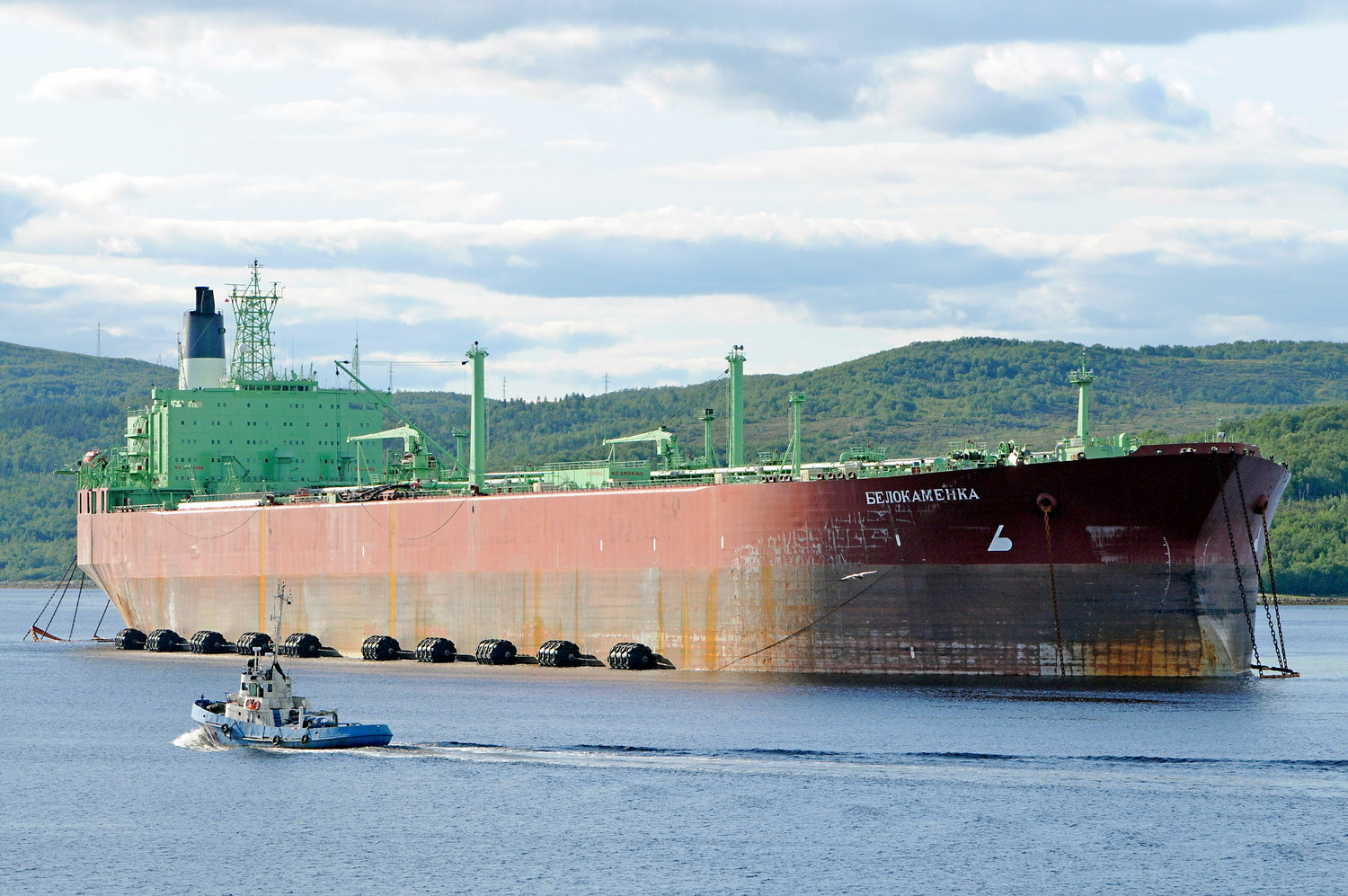
New US sanctions will add nearly 200 more Russian ships, and two of the principal Russian maritime insurers New US sanctions add nearly 200 more Russian ships, two oil producers and two of the principal Russian maritime insurers to efforts to restrict Russian oil revenues. The new sanctions affect producers Gazprom Neft and Surgutneftegaz and insurers Ingosstrakh and Alfastrakhovanie, which insure much of Russia's "shadow fleet" of tankers. Also included are "opaque traders of Russian oil" and two UAE-based ship managers. Restrictions on the provision of oil services in Russia may finally impact the flourishing Russian trade of Houston oil services firm SLB.
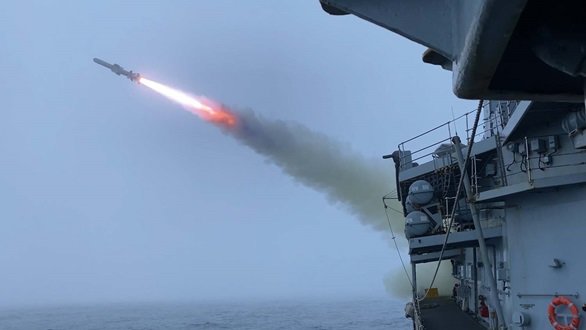
The United States has adjusted its policy on implementing the Missile Technology Control Regime (MTCR) to expand access to some weapons for its allies, the White House said. Now, the US authorities must show greater flexibility in considering each specific case of export of such technologies, and facilitate the transfer of "certain MTCR Category I military missiles, Unmanned Aerial Systems (UAS), and Space Launch Vehicle (SLV) systems to certain partners with strong export control systems."

The Department of Defense has released an update to the names of "Chinese military companies" operating directly or indirectly in the United States. While not directly impacting the firm's business prospects, the designation fogs the optics of some large partnerships between American manufacturers and their Chinese business partners.

As the Biden Administration prepares to hand over the reins, there's a palpable sense of urgency to get as much regulatory work done as possible before January 20th. The Bureau of Industry and Security (BIS) regulatory agenda has dozens of rulemaking actions underway, including further steps targeting the illicit trade in advanced chips. The Global Artificial Intelligence Diffusion" rule aims to control the global shipments of graphics processing units (GPUs) to forestall diversion through third countries. Restrictions are said to include geographic controls as well as a worldwide licensing system that includes reporting requirements and exceptions.
In an affront to our most important Asian ally and the largest foreign investor in the US, President Biden blocked Nippon Steel’s acquisition of U.S. Steel. Opponents of the deal argued that Nippon Steel would sacrifice integrated steelmaking capacity in favor of cheaper mills in Asia and the American South. United Steelworkers union leadership has opposed the sale, although many in the rank and file support it, arguing that they do not see how US Steel will be able to continue operations without major investment. Cleveland Cliffs CEO Lourenco Goncalves has conducted a stunningly effective public campaign to keep a deep pocketed acquirer from purchasing the rival integrated steelmaker. Cliff's own offer was spurned by the board on financial and execution concerns.

The Office of the U.S. Trade Representative is launching a Section 301 investigation to examine the PRC’s targeting of foundational semiconductors (also known as legacy or mature node chips) for dominance and the impact on the U.S. economy. In addition, the investigation will initially assess the impact of the PRC’s acts, policies, and practices on the production of silicon carbide substrates or other wafers used as inputs into semiconductor fabrication.

The widely touted US sanctions on Gaszprombank issued in November have been watered down as the White House yielded to pressure from Turkish and Hungarian leaders and issued waivers. The Kremlin's chief payments conduit for gas sales to the West can continue to trade with Budapest and Ankara, in a material concession by Washington.
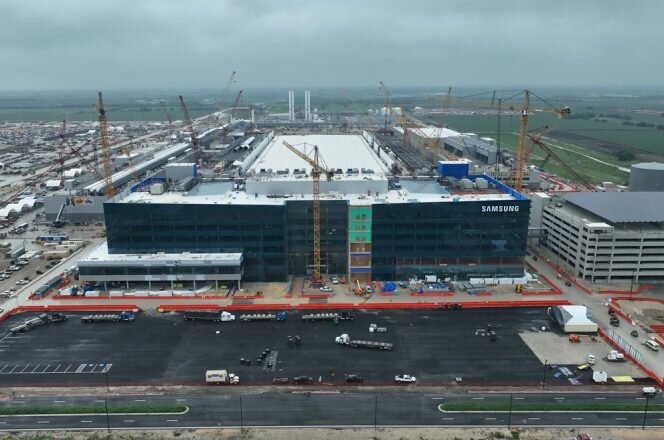
This week Commerce Department announced the latest in the Biden Adminstration's scramble to get the CHIPS grant commitments out before the change of regime. The $7.626 billion of subsidies went to two American companies, two from Korea, and one from Taiwan. The funds are to build facilities in the United States.
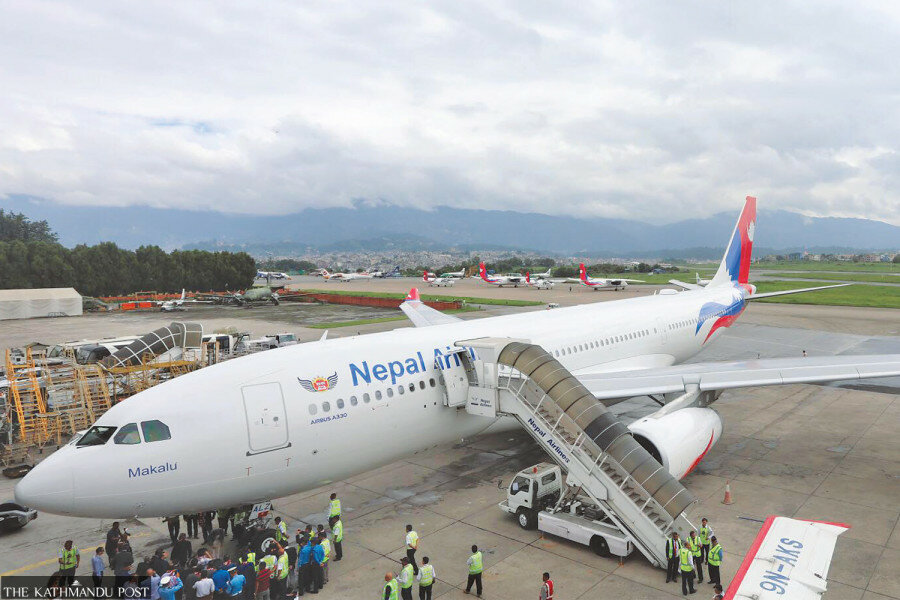
An Illinois aviation services company will pay over $55 million to resolve investigations by the Justice Department and Securities and Exchange Commission (SEC) into violations of the Foreign Corrupt Practices Act (FCPA). AAR Corp was facing prosecution for paying bribes to government officials in Nepal and South Africa.

The founder of Iranian company and an engineering PhD and Marketing Manager of a Boston-area microelectronics manufacturer were arrested and charged with Violating Export Control Laws in Conspiracy to Procure Sensitive U.S. Technology for Use in IRGC Military Drones Mahdi Sadeghi, 42, a dual U.S.-Iranian national of Natick, Massachusetts, and Mohammad Abedini, 38, of Tehran, Iran, have been charged with conspiring to export sophisticated electronic components from the United States to Iran in violation of U.S. export control and sanctions laws. Abedini is also charged with providing material support to a foreign terrorist organization (FTO), , that resulted in the deaths of three U.S. servicemembers who were killed by a one-way attack Unmanned Aerial Vehicle (UAV), also known as a drone, on a military base in Jordan. Sadeghi was arrested and made his initial appearance Monday in the District of Massachusetts. Abedini was also arrested in Italy by Italian authorities at the request of the United States.
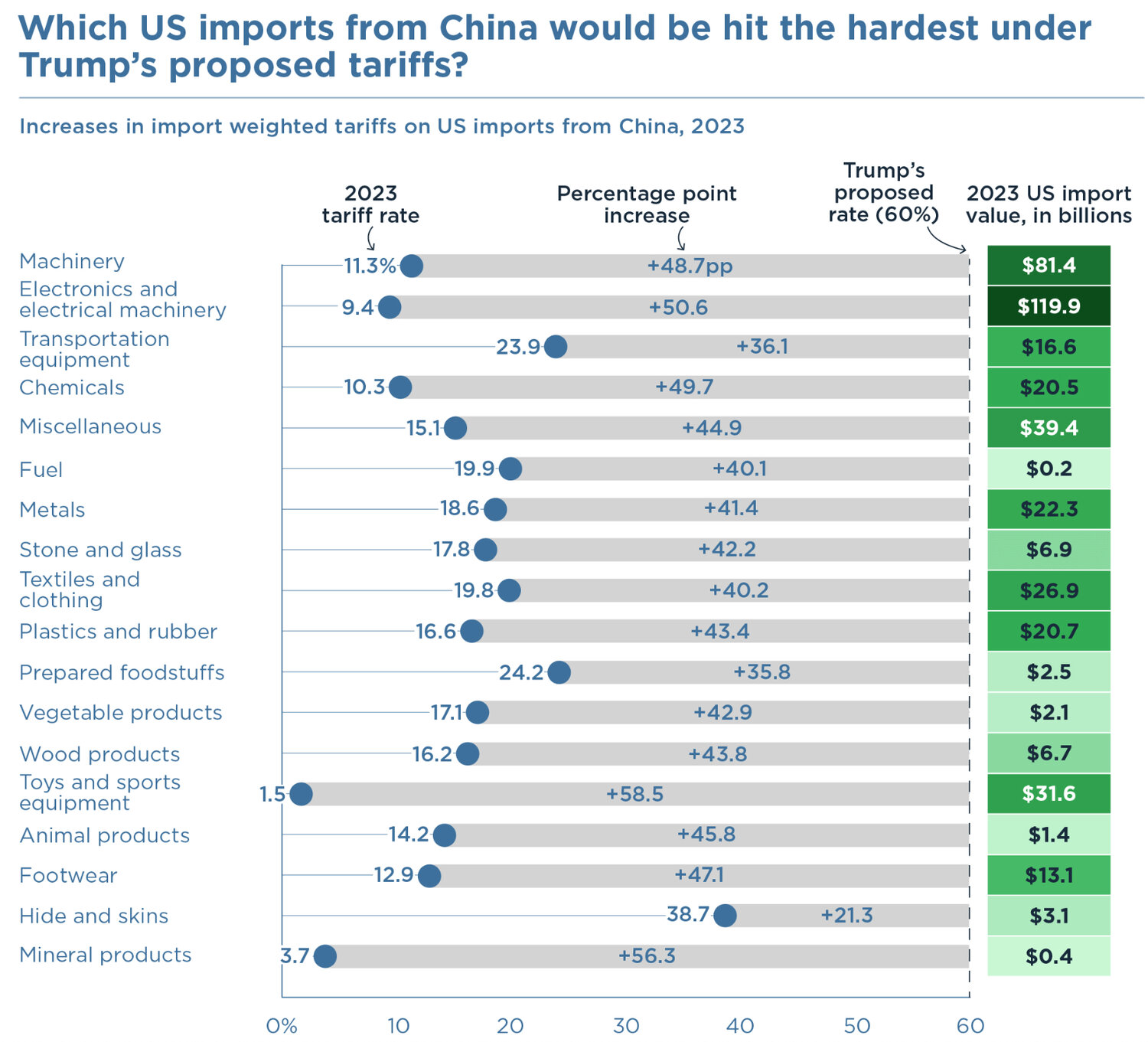
Candidate Trump promised tariffs on all imports from 10 to 20 percent, with a special rate of 60 percent on all imports from China. While special favors and brinksmanship will determine the ultimate levies, it's worth taking a look at where the costs of the proposed duties will fall. Consumers can expect to see higher prices reflected in electrical devices, toys and sporting goods, vegetable and meat products, and imported foodstuffs. Consumer electronics were largely shielded from the 2018 tariffs, including cell phones, laptops, and smartwatches. Toys and sports equipment are currently very lightly taxed, the authors note, and a 60 percent tariff almost certainly will be felt directly by American household
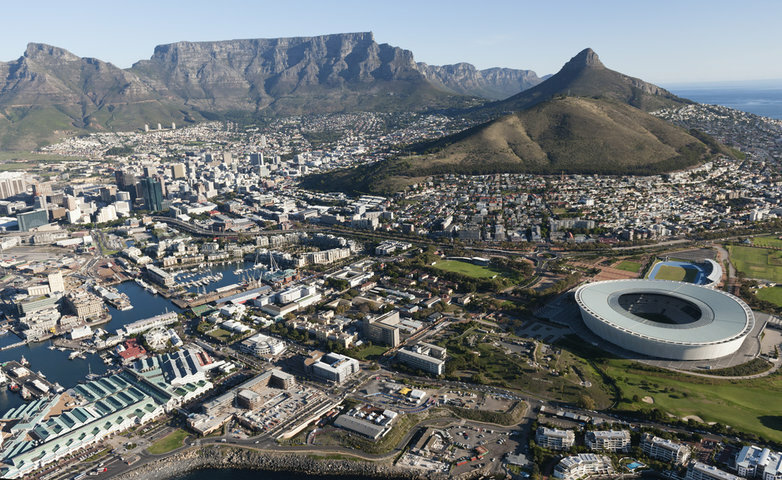
McKinsey and Company Africa (Pty) Ltd, which operates in South Africa as a wholly owned and controlled subsidiary of international consulting firm McKinsey & Company Inc, will pay over $122 million to resolve an investigation by the Justice Department into a scheme to pay bribes to government officials in South Africa between 2012 and 2016.
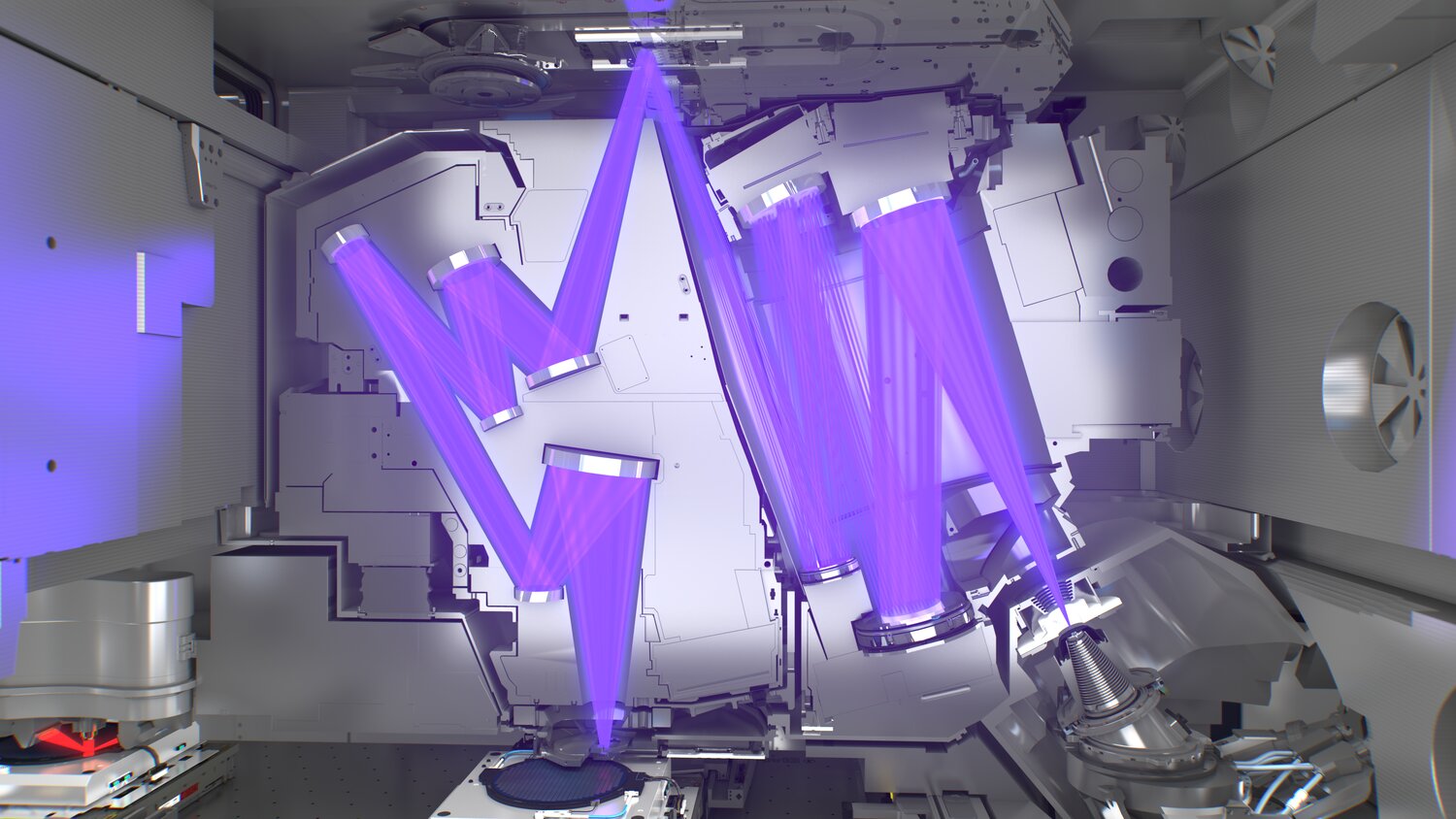
Commerce’s Bureau of Industry and Security (BIS) announced a package of rules designed to further impair China’s capability to produce advanced-node semiconductors that can be used in the next generation of advanced weapon systems and in artificial intelligence and advanced computing. In response, the Chinese government imposed further restrictions on the export of "dual use" commodities banning sales of gallium, germanium, antimony and tightening controls on graphite exports. The BIS controls target some, but not all affiliates of chip manufacturers SMIC and Huawei, as well as semiconductor manufacturing equipment manufacturers in the PRC.
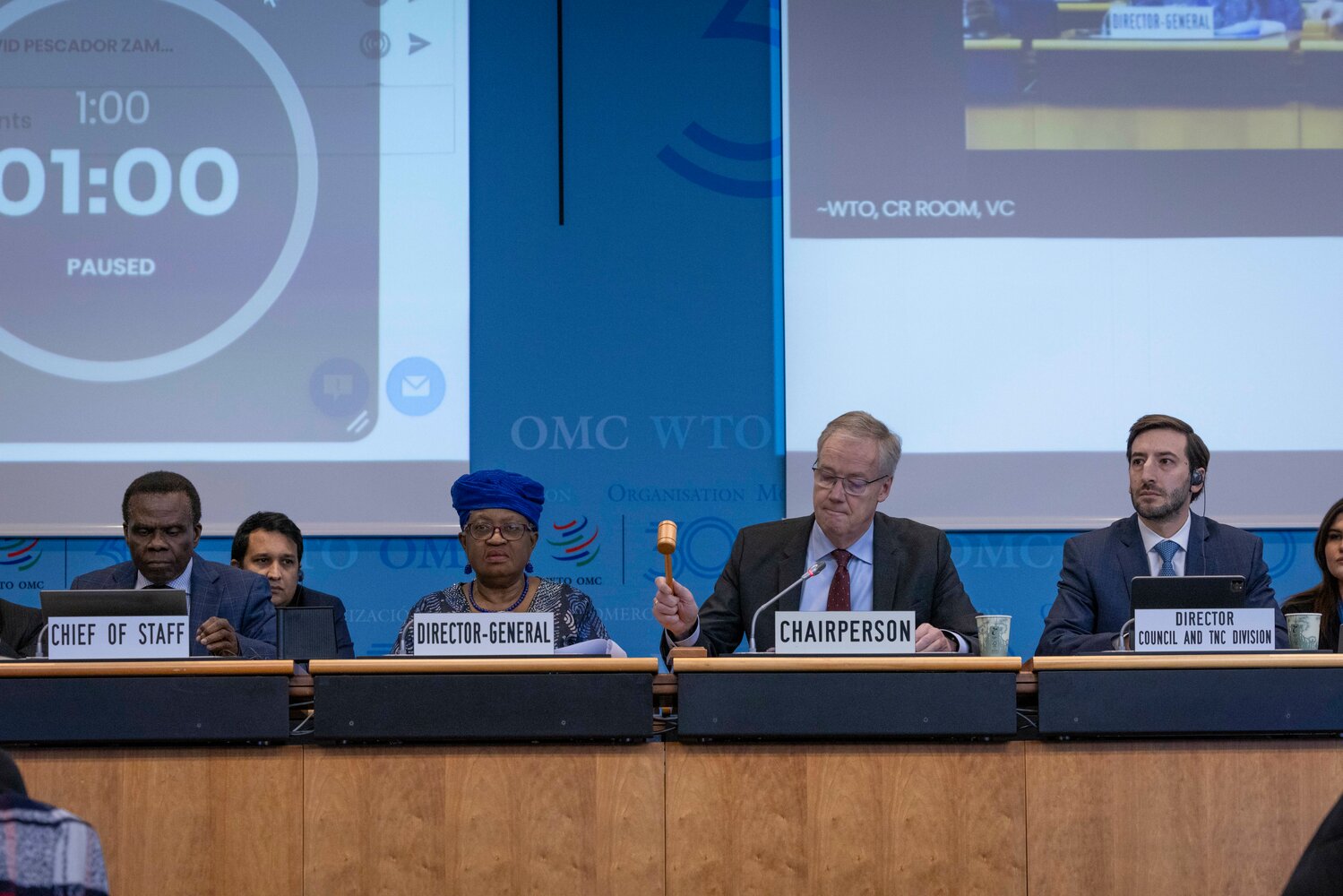
WTO members agreed to give incumbent Ngozi Okonjo-Iweala a second term as Director-General of the WTO. Her second four-year term, which was approved at a special General Council meeting, will begin on 1 September 2025. DG Okonjo-Iweala took office as Director-General in March 2021 and is the first African and the first woman to serve as head of the organization.
The proposed Day One abrogation of the US - Mexico - Canada Free Trade agreement gave Washington something to talk about over the Thanksgiving dinner table, while cooler heads focussed on football and another slice of that pie, please. Mr. Trump signaled that he wants to slap a 25% tariff on all Canadian and Mexican imports, and a further 10% tariff on everything that comes in from China. “This Tariff will remain in effect until such time as Drugs, in particular Fentanyl, and all Illegal Aliens stop this Invasion of our Country!” he punctuated.

With Howard Lutnick as Secretary of Commerce, and Jamieson Greer as USTR, the game of Where’s Lighthizer continues. Few Washington insiders expect the President-elect to throw the chief architect of his trade policy under the bus, in favor of younger, richer, more telegenic acolytes, but stranger things have happened.

For a president seeking to impose swift and decisive change to geoeconomic policy, few hammers outweigh the The International Emergency Economic Powers Act (IEEPA), which provides the President broad authority to regulate a variety of economic transactions following a declaration of national emergency. With advisers advocating using the act to gut the federal workforce, sweeping tariffs, and even to selectively default on the federal debt, expect the IEEPA to play an outsized role in Trump 2.0.

While the imperatives of serving a mercurial master may call for nimble footwork, career civil servants in Justice, Treasury and the Commerce Department can look forward to leadership in the new administration that, while of markedly different persuasion, has demonstrated administrative competence. After summarizing the Trade credentials of Pam Bondi, Howard Lutnick and Scott Bessent, we introduce the key economic argument being used to defend tariffs.
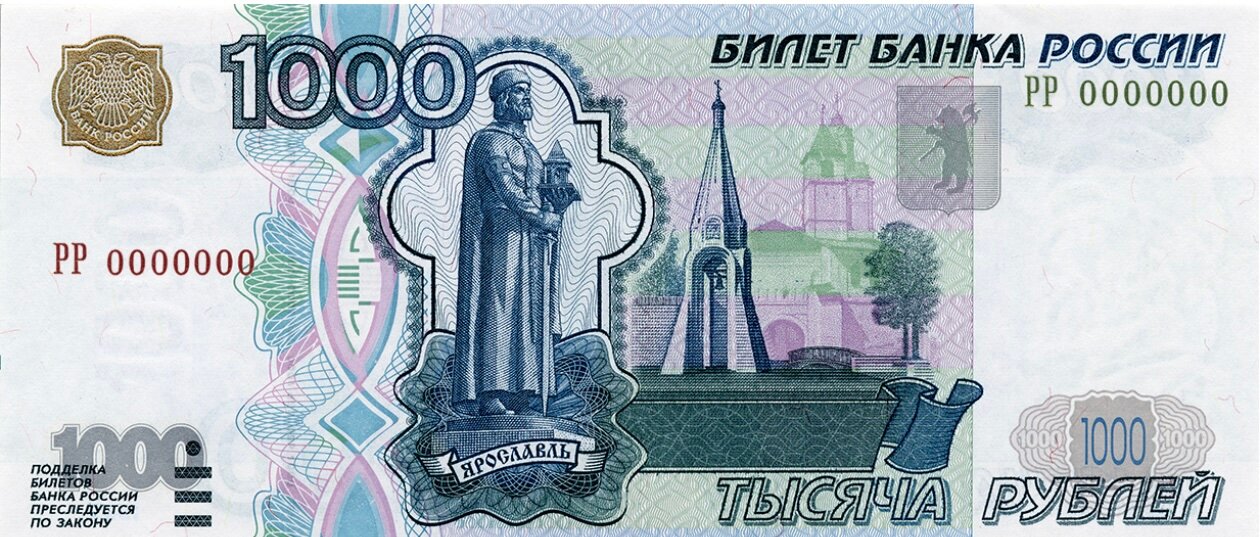
Treasury’s Office of Foreign Assets Control (OFAC) has announced full blocking sanctions against 118 entities and individuals, including Gazprombank and fifty other banks. Thursday's actions bring it in alignment with allied sanctions on Gazprombank—the largest bank not previously sanctioned. OFAC’s action includes the designation of Gazprombank, more than 50 internationally connected Russian banks, more than 40 Russian securities registrars, and 15 Russian finance officials.
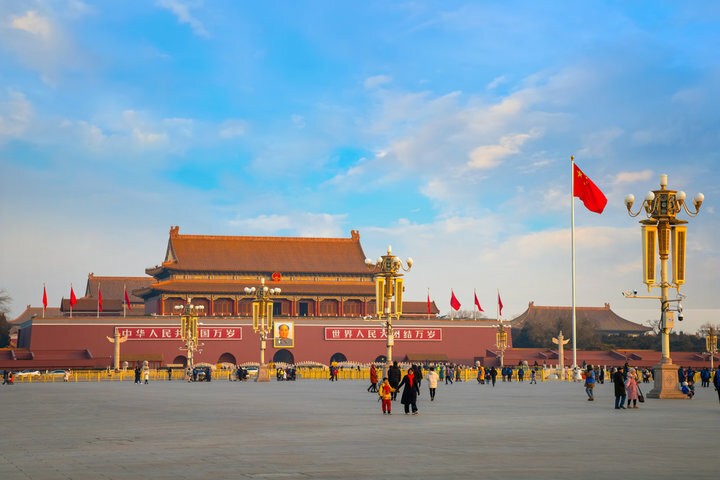
The U.S.-China Economic and Security Review Commission (USCC) has officially submitted its 2024 Annual Report to Congress,. The report, unanimously approved by the Commission’s 12 members, although Dr. Cleveland inserted an addendum witholding her support for two of the reccomendations.