Washington spent the week evaluating the President-Elect's cabinet picks, with responses ranging from relief and appreciation to "vomit in the mouth." Senator John Thune will be the Senate Majority Leader, and while the House of Representative does not name its leader until January,, Speaker Mike Johnson is expected to retain his gavel. Key cabinet posts Treasury and Commerce had not been announced by presstime, but Mar a Lago gave Beltway nabobs plenty to chew on.

Rural American may have made a key contribution to the success of the Trump campaign, though so far the favor has yet to yield much in return. The first trade bout between the U.S. and China in 2018 resulted in losses of more than $27 billion for U.S. agricultural exporters. Farm subsidies tripled to over $30 billion in the last Trump administration, though enthusiasm for growing the federal budget is less pronounced today.
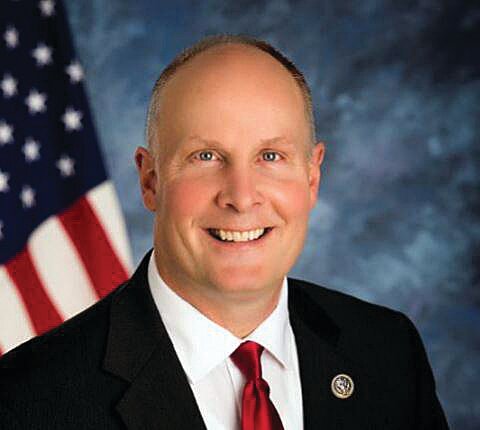
Chairman John Moolenaar (R-MI) of the House Select Committee on the Chinese Communist Party has introduced the the ‘Restoring Trade Fairness Act," laying the groundwork for revoking China's Permanent Normal Trade Relations status. Tariff rates would begin a 35 percent, with a minimum of 100 percent for certain articles, subject to a phase-in period., with the proceeds subsidizing impacted or favored domestic producers.

The Treasury reversed its denial of an application in 2022 to host small group, direct engagement conferences which include the participation of sanctioned individuals.
Former President Donald Trump’s decisive victory in his bid to win a second term creates both uncertainty and opportunity for US trade policy, according to analysts and experts. Speculation is rampant on the outcomes for Tariffs, FTAs, Climate Policy and The WTO along with fresh scrutiny of AML/CFT regulation and Nuclear proliferation.
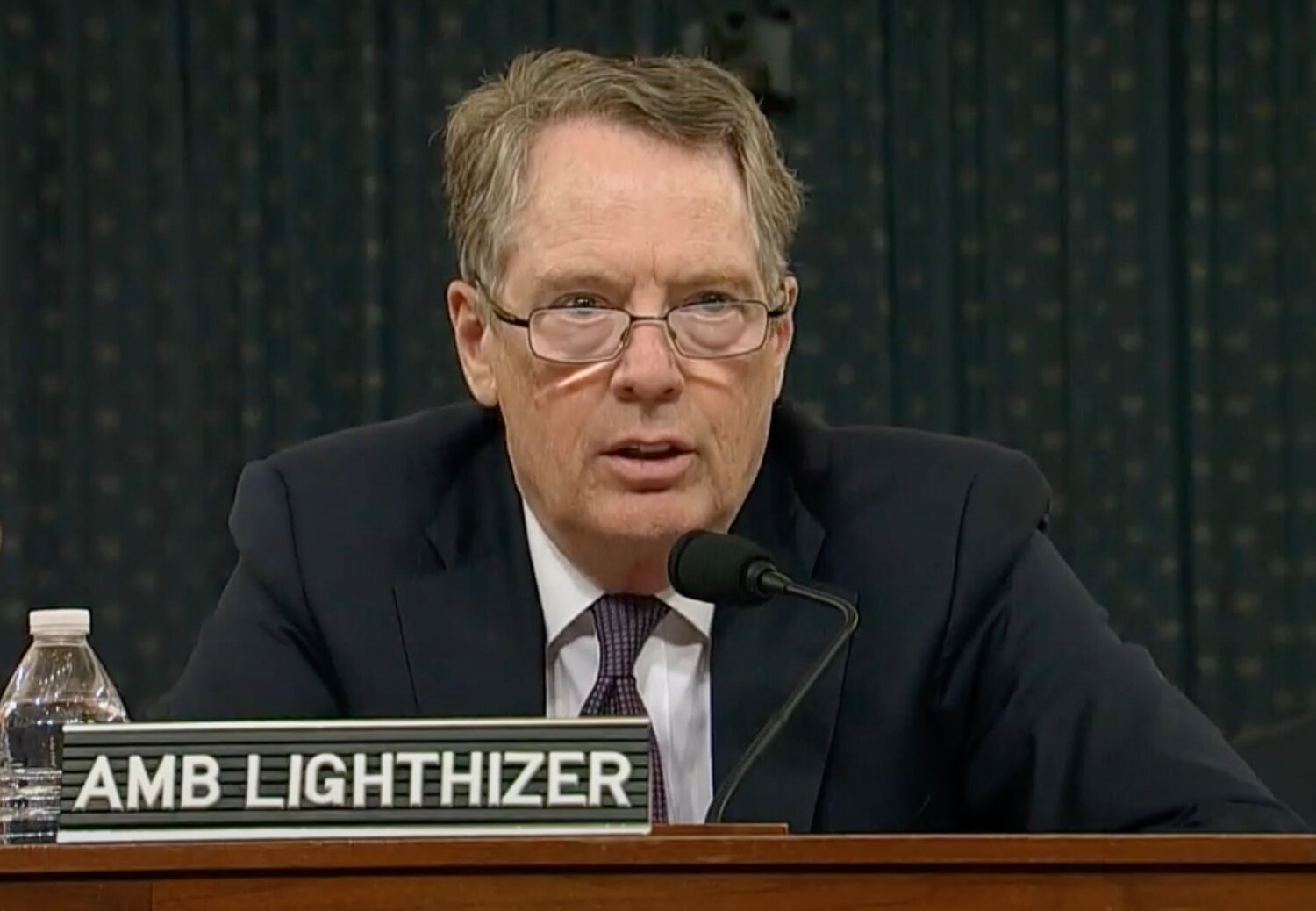
Former US Trade Representative Robert Lighthizer has been asked to return to the position in the coming Trump Administration reboot, according to reports in the Financial Times. A former attorney for domestic steelmakers, Lighthizer recently wrote in the Wall Street Journal that a return to the mercantilist policies of the 19th centrury are appropriate for today:

The regulators responsible for drafting the biggest rulemaking changes to space-related export controls briefed stakeholders on the initiative,, addressed some initial questions, and urged engagement through comments as the rules are finalized. The November 6 presentation included officials from the State Department, Commerce and NASA who shared their perspectives on their remits. The event finished with a review of some questions submitted by stakeholders.
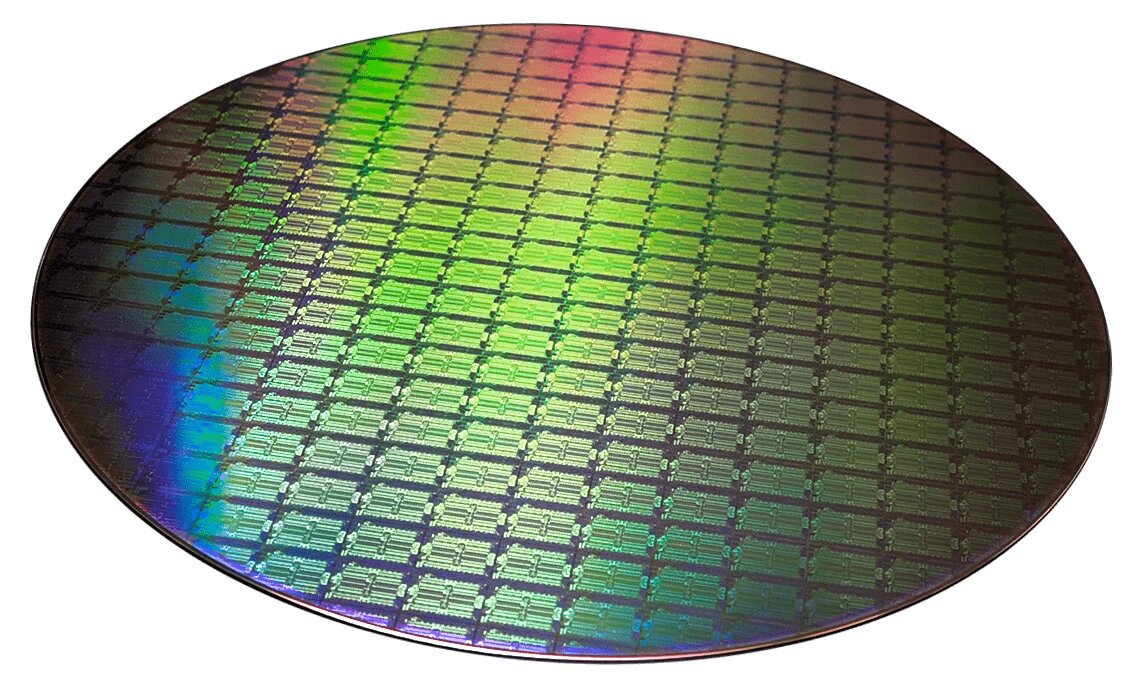
Bureau of Industry and Security (BIS) imposed a civil penalty of $500,000 against GlobalFoundries U.S. Inc., a semiconductor wafer manufacturing company headquartered in Malta, New York, and its subsidiary, GlobalFoundries U.S. 2 LLC (collectively, “GlobalFoundries”). The penalty relates to GlobalFoundries’ shipments of semiconductor wafers valued at approximately $17.1 million to SJ Semiconductor (SJS), a company on the BIS Entity List, without the requisite license or other authorization from BIS.
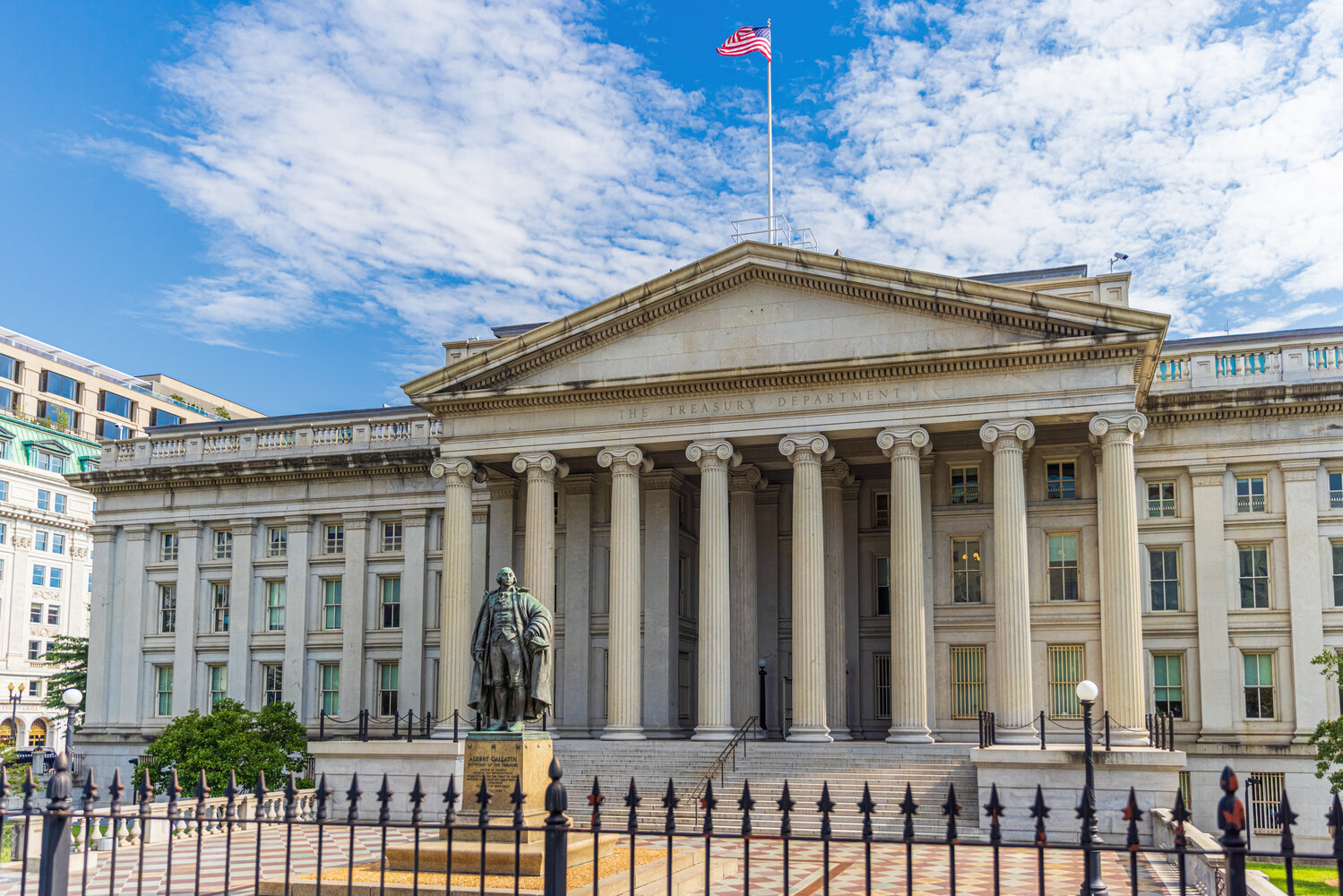
…Monday the Treasury Department published the final language of the outbound investment requlations, governing US firm's investment in Chinese strategic technology. The Treasury issued a final rule to implement Executive Order 14105 of August 9, 2023, “Addressing United States Investments in Certain National Security Technologies and Products in Countries of Concern” (the Outbound Order). The Final Rule provides the operative regulations and a detailed explanatory discussion regarding their intent and application.

Bureau of Industry and Security (BIS) added 26 entities to the Entity List, while giving relief to one Canadian firm for substantive reforms to its business practices. Sandvine Incorporated, an entity listed under the destinations of Canada, India, Japan, Malaysia, Sweden, and the UAE, has been removed following significant reforms to address and prevent the misuse of its technology in ways that undermine democracy and abuse human rights

Compliance-challenged defense contracting giant RTX has agreed to pay nearly $1 billion to settle charges of government contract fraud, foreign bribery, and export control violations. The settlement comes on the heels of a $200 million settlement in August with the State Department [12717] for a raft of export control violations.

A new report from the Canadian Chamber of Commerce’s Business Data Lab (BDL) highlights just how mutually beneficial the Canada-U.S. trade relationship is and offers a stark warning about the serious economic consequences of enacting protectionist policies. “There’s an opportunity to learn from long-forgotten history, here," the authors write. "It turns out that the 10% tariff recently proposed by Trump has some echoes of a tariff that was enacted by President Nixon back in 1971. That policy—which was much narrower than Trump’s recent proposal—was a disaster and was quickly reversed.”

The G7 published joint guidance for industry on preventing evasion of the export controls and sanctions imposed on Russia. The guidance document contains items which pose a heightened risk of being diverted to Russia, updated red flag indicators of potential export control and/or sanctions evasion, Best practices for industry to address these red flags, and screening tools and resources to assist with due diligence.

The Commerce Department proposed prohibiting the sale or import of connected vehicles integrating specific pieces of hardware and software, or those components sold separately, with a sufficient nexus to the People’s Republic of China (PRC) or Russia. Published by the Bureau of Industry and Security, the rule focuses on hardware and software integrated into the Vehicle Connectivity System (VCS) and software integrated into the Automated Driving System (ADS). These are the critical systems that, through specific hardware and software, allow for external connectivity and autonomous driving capabilities in connected vehicles.

The Office of the United States Trade Representative (USTR) announced final modifications concerning the statutory review of the tariff actions in the Section 301 investigation China’s Acts, Policies, and Practices Related to Technology Transfer, Intellectual Property, and Innovation. The tariff increases announced in May 2024 were largely adopted, with several updates to strengthen the actions to protect American businesses and workers from China’s unfair trade practices following the review of more than 1,100 comments from the public.
House Republicans held their highly-anticipated “China Week” by approving several China-related bills while Democrats began the week pushing for the White House to close the so- called de minimis loophole through administrative action, since Republican left the legislation off their agenda. The White House delivered that on Friday. Meanwhile Speaker Mike Johnson failed to schedule any action on the looming government shutdown due to infighting in his caucus.

The Commerce Department’s Bureau of Industry and Security (BIS) issued a final rule making changes to the Export Administration Regulations (EAR) related to BIS’s policies and practices regarding voluntary self-disclosures (VSDs) and to the BIS Penalty Guidelines. The rule revises the BIS Penalty Guidelines to change how the Office of Export Enforcement (OEE) calculates the base penalty in administrative cases and how OEE applies various factors to the base penalty to determine the final penalty.

On September 6, the U.S. Departments of State, Agriculture, Commerce, Homeland Security, and Treasury jointly released an updated warning for U.S. businesses about risks to their operations and activities in Hong Kong. Risk factors that were formerly limited to mainland China are now also a concern in Hong Kong and could affect commerce, trade, and seemingly routine individual commercial activities in Hong Kong. Many of these risks stem from the 2020 Law of the People’s Republic of China on Safeguarding National Security in the Hong Kong SAR (National Security Law, or NSL), as well as the Safeguarding National Security Ordinance (SNS Ordinance), which was enacted in March 2024 under Article 23 of Hong Kong’s Basic Law.

Bureau of Industry and Security (BIS) is implementing export controls on several semiconductor, quantum, and additive manufacturing items with an interim final rule published September 6th. The rule adds and revises Export Control Classification Numbers (ECCNs) in the Commerce Control List, adds a new license exception for countries that have implemented equivalent technical controls, and adds two new worldwide license requirements to the national security and regional stability controls in the Export Administration Regulations (EAR). The new controls include a limited number of deemed export requirements in the sectors of quantum computers, materials, and related electronic assemblies; aerospace technology; and integrated circuit “development” or “production.”

RTX Corporation, the defense contracting roll-up formerly known as Raytheon, has entered into a settlement agreement with the U.S. Department of State following a comprehensive investigation into violations of the Arms Export Control Act (AECA) and the International Traffic in Arms Regulations (ITAR). By paying $100 million in fines and promising to spend another $100 million on compliance programs, the firm avoids debarment and further criminal or civil action.