Commerce’s Bureau of Industry and Security (BIS) is conducting a comprehensive assessment of the use of mature-node semiconductor devices (legacy chips) in the supply chains that support—directly or indirectly—U.S. national security and critical infrastructure.
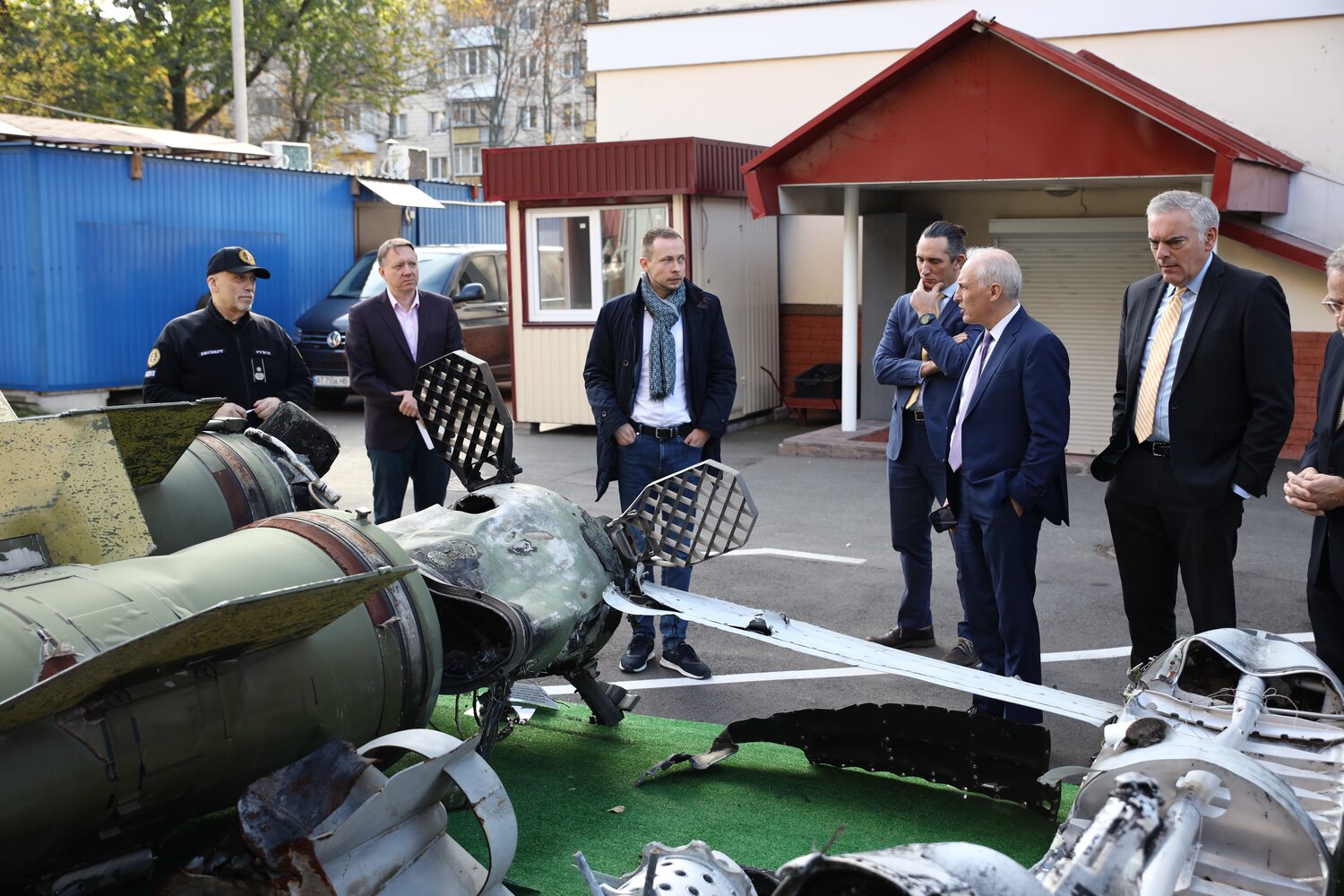
Assistant Secretary for Export Enforcement Matt Axelrod announced enhancements and expansions of the Bureau's Voluntary Self-Disclosure program, including simplified reporting, e-mail submittals and expedited handling of corrective action for unlawfully exported items. In a speech January 16 at NYU School of Law’s Program on Corporate Compliance and Enforcement Mr. Alelrod described the changes, along with an engaging history of the jukebox, details of which can be found in the complete speech.

WTO members negotiating the accession of Comoros and Timor-Leste on 9 and 11 January, respectively, agreed by consensus, ad referendum, on the terms of the countries' WTO membership, paving the way for the least-developed countries (LDC) to join the organization. With the conclusion of the Working Party’s mandate, the accession package for both states will be submitted to ministers for a formal decision at the WTO’s 13th Ministerial Conference (MC13) in Abu Dhabi on 26-29 February.
SAP SE (SAP), a publicly traded global software company based in Germany, will pay over $220 million to resolve investigations by the U.S. Justice Department and the Securities and Exchange Commission (SEC) into violations of the Foreign Corrupt Practices Act (FCPA). According to the SEC complaint, from at least December 2014 through December 2018, SAP employed third-party intermediaries and consultants in various schemes to make improper payments to government officials in order to obtain and retain business in South Africa, Greater Africa (Malawi, Kenya, Tanzania, and Ghana), and Indonesia. Readers may recall SAP’s prior history, which include a non-prosecution agreement from 2021 with the Justice Department’s National Security Division, as well as administrative agreements with the Departments of Commerce and the Treasury relating to Iran-related export law violations, and a resolution in 2016 with the SEC concerning alleged FCPA violations in Panama.

ASML, a Dutch semiconductor producer, had its license to ship two types of machines that make semiconductors partially revoked. This comes after ASML canceled some of its shipments ahead of tightening Dutch restrictions on exports. "China opposes the US’s overstretching the national security concept and using all sorts of pretexts to coerce other countries into joining its technological blockade against China," said Foreign Ministry Spokesperson Wang Wenbin.

The Export-Import Bank of the U.S. Board of Directors approved a $90 million guarantee under EXIM’s Supply Chain Finance Guarantee Program to Dutch Financier ING Capital to finance U.S. Natural Gas processor Freeport LNG Marketing. In 2020 Exim approved a deal with Freeport LNG, "with the first-ever use of a funder guarantee structure" for $50 million. That deal was a "tripartite agreement" between EXIM, Private Export Funding Corporation (PEFCO) , and the scandal-plagued, now insolvent Greensill Capital. In June 2022 a blast attributed to safety failures caused approximately $275 million in damages and took the plant offline for 18 months.
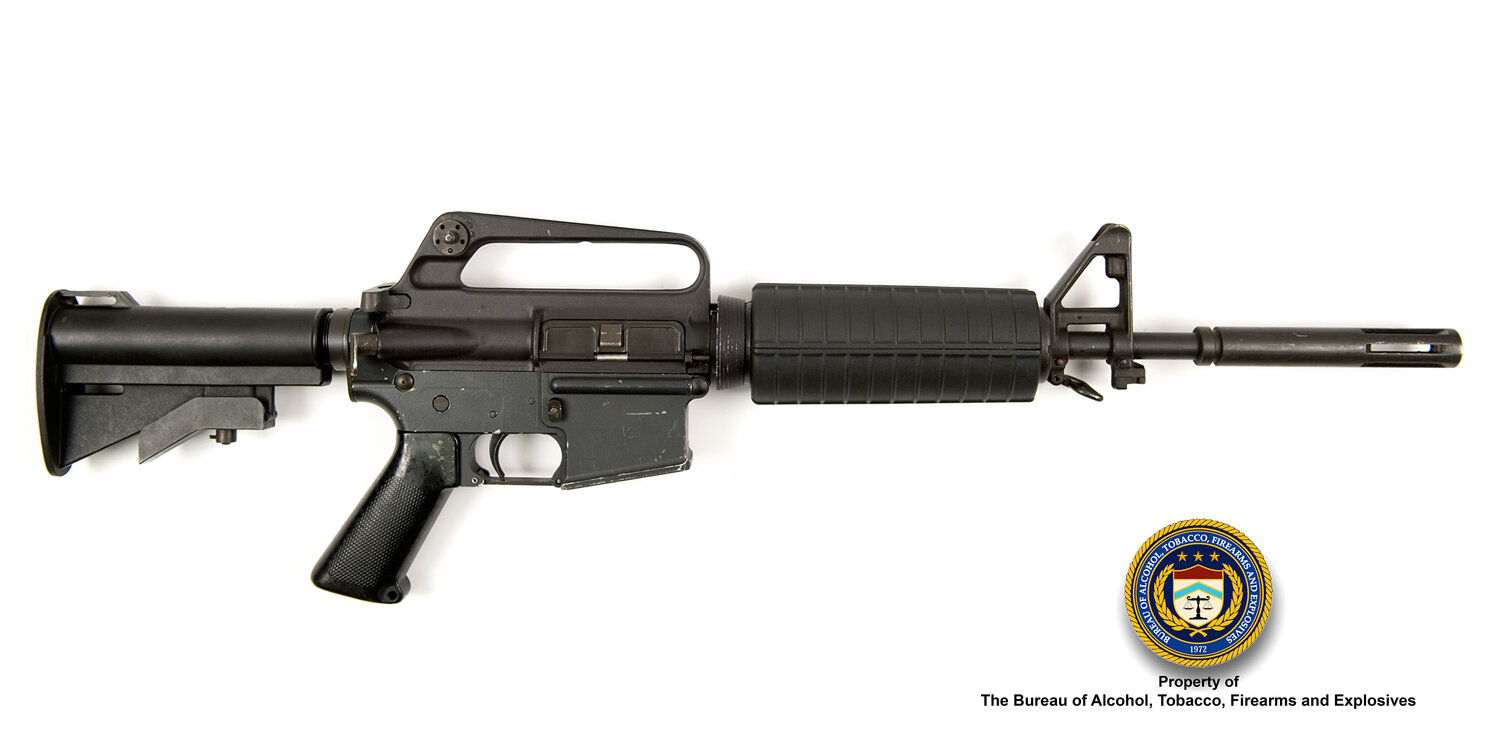
The Commerce Department's October 27 "pause" in the issuance of new export licenses involving firearms under its jurisdiction is expected to end this month, and industry and its friends in Congress are girding for battle. The Protect American Gun Exporter Act introduced by Sen. Mike Lee (R-UT) seeks to forbid the Secretary from similar actions in the future and bar "unilateral' policy changes, while a leaked Commerce document proposes quite a few. In a draft Federal Register Notice obtained by the website "The Reload" marked "predecisional" Commerce proposes the addition of two new ECCNs, enhanced documentation requirements and other changes to improve traceability and control of the civilian arms trade.

The planned acquisition by Nippon Steel of what used to be America's preeminent steelmaker has stirred up a hornet's nest of jingoism and grandstanding in Washington and the Rust Belt, promising for a contentious review by the Committee on Foreign Investment in the US (CFIUS). "President Biden welcomes foreign investment that creates new US manufacturing jobs," National Economic Council Director Lael Brainard said. “However, he also believes the purchase of this iconic American-owned company by a foreign entity – even one from a close ally – appears to deserve serious scrutiny in terms of its potential impact on national security and supply chain reliability,”
The European Council adopted Monday a twelfth package of economic and individual restrictive measures in view of the continued Russian war of aggression against Ukraine.
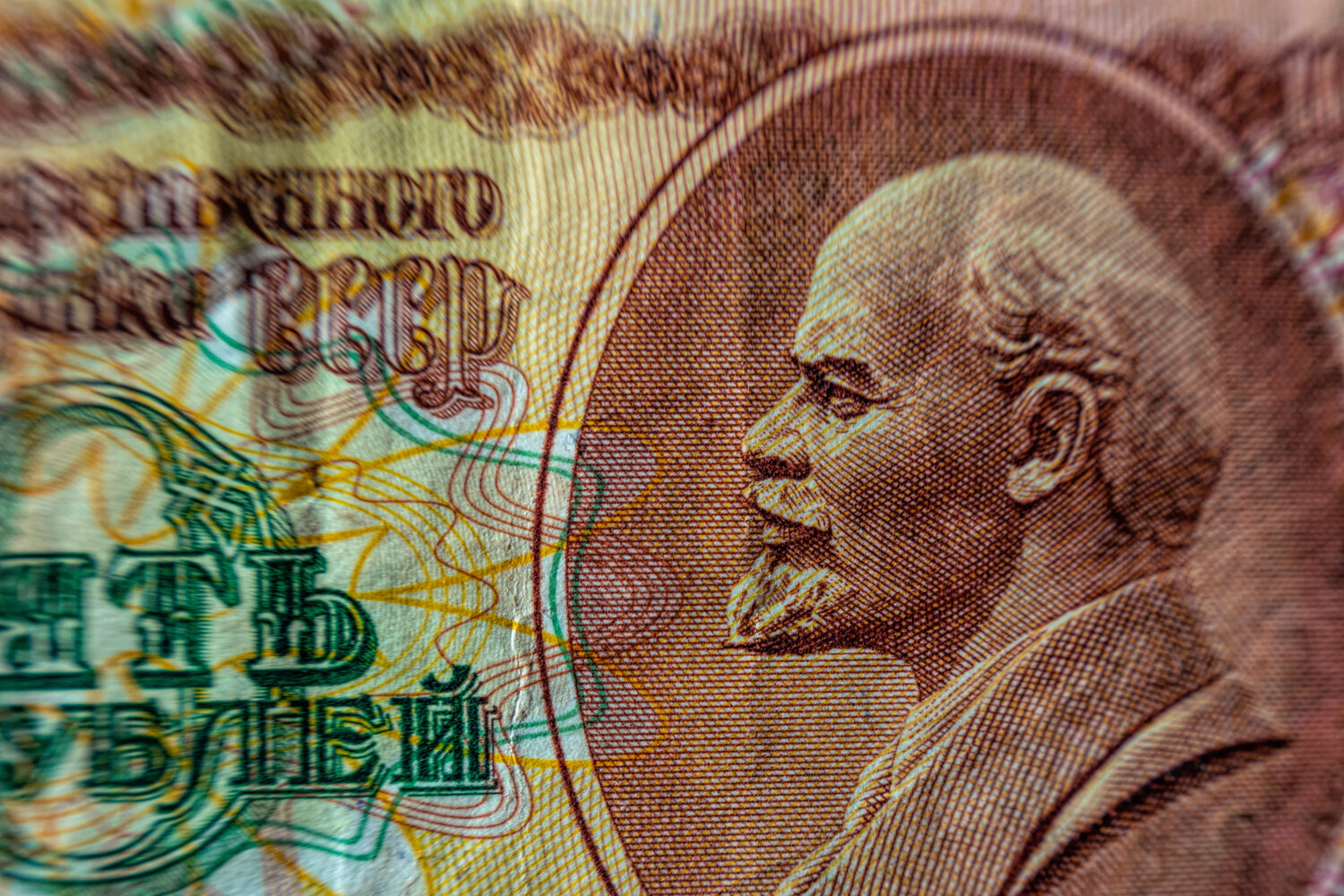
Friday, the President signed a new Russia-related Executive Order advising financial institutions and payments processors that "Foreign financial institutions that conduct or facilitate significant transactions or provide any service involving Russia’s military-industrial base run the risk of being sanctioned by OFAC." Under these new authorities, OFAC can impose full blocking sanctions on, or prohibit or restrict the maintenance of correspondent accounts in the United States for, foreign financial institutions.
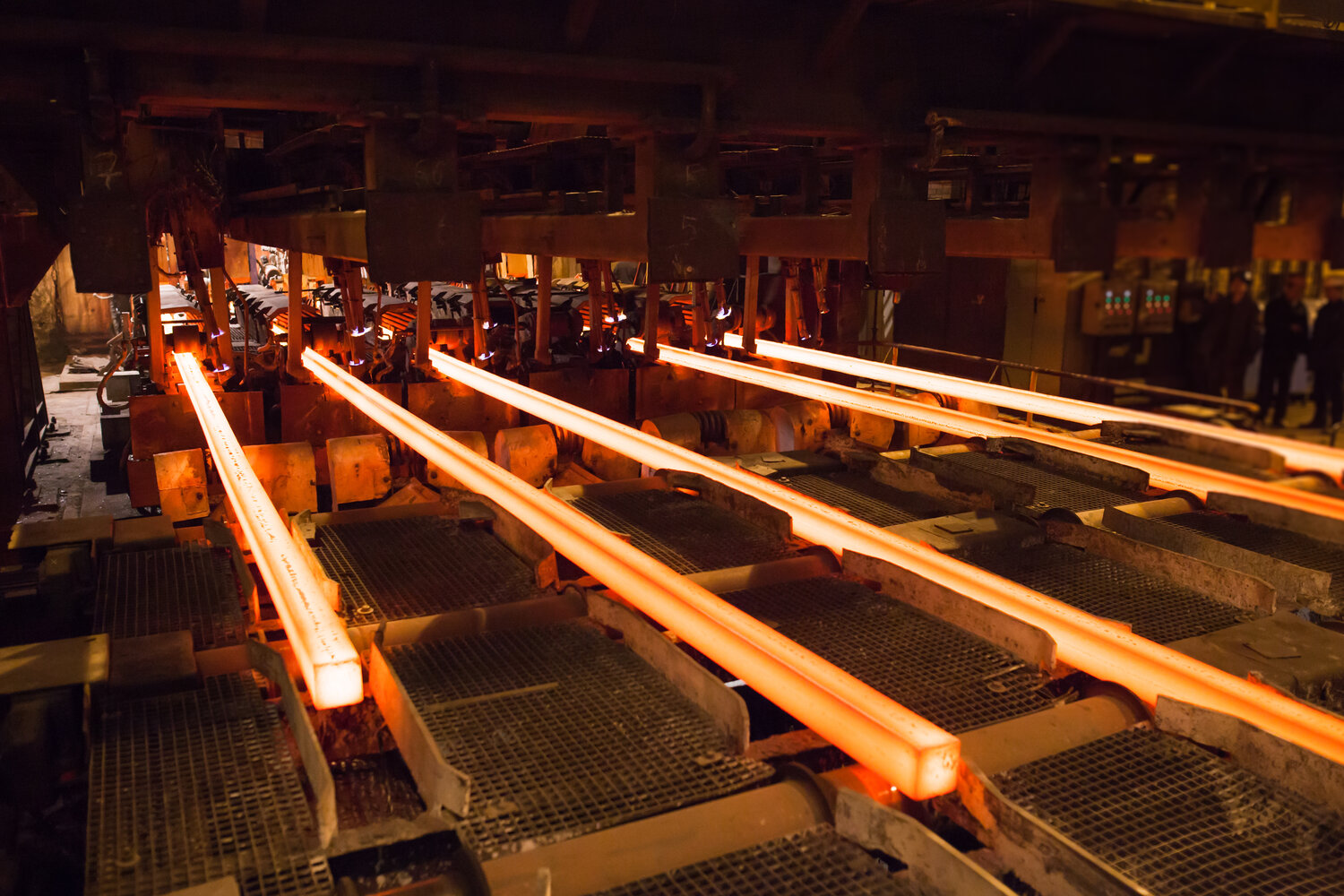
A bipartisan group of senators are calling on the Administration to put a halt to a surge in steel imports from Mexico. In a letter to National Security Advisor Jake Sullivan, the senators demanded the Administration set a clear deadline for Mexico to enforce the steel agreement reached with the United States in 2019. That agreement set quotas for Mexican steel and aluminum in place of the global Section 232 tariffs imposed by the Trump Administration.
In a wide ranging conversation at Georgetown University, Under Secretary of Commerce for Industry and Security Alan Estevez shared his perspective on the evolution of export controls and the road ahead. "I believe now that we are at sort of a foundational inflection point as to the role and purpose of export controls," Estevez said. " Commerce is in the middle of national security in a number of spheres these days.
"We do it from two perspectives. We do it from offense and we do it from defense. Offense is things like Chips Act. So how are we going to build chip production in the United States, where we have assured supply? Semiconductors are the foundation of a lot of what goes on in our economy. "The core of the defense structure is our export controls. Protecting the technology that our adversaries could use against us, should it ever come to any kind of kinetic action...
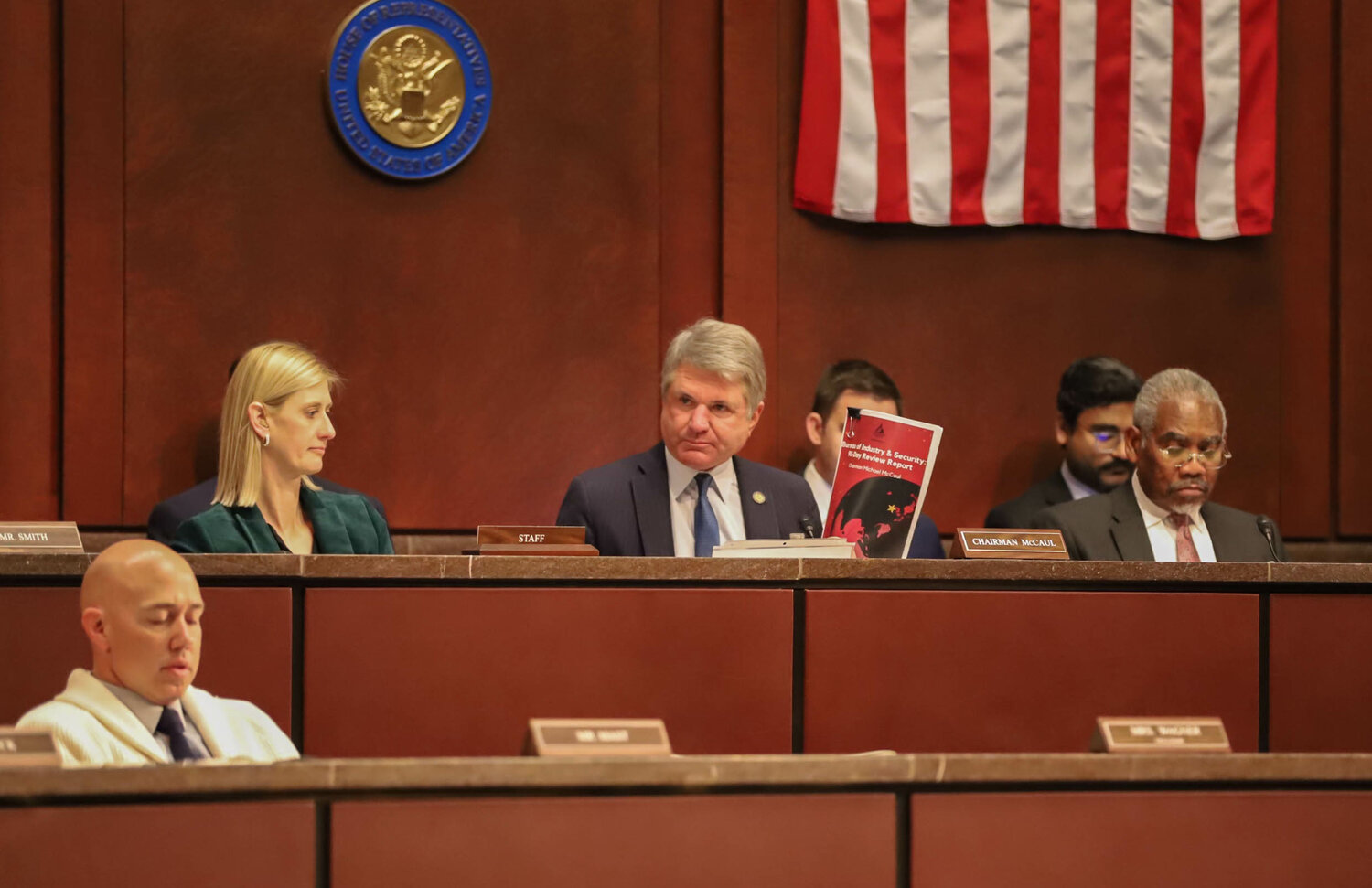
After a year of limited productivity, Congress has decided to get some work done in the last working week of the year. The House Foreign Affairs Committee Chairman held a markup session to consider various measures regarding export controls, restricting the flow of foreign nations’ support to the Taliban, and strengthening sanctions against Hamas, Palestinian Islamic Jihad and other terrorist groups on Wednesday, December 13th.
Following a year of hearings and demands for reams of disclosure from government and industry, the House Select Committee on China released its work product for 2023. The 53 page report enumerated recommendations to address Beijing's human rights violations and military modernization, focusing on halting the genocide of the Uyghur population and curtailing profits from forced Uyghur labor. Additionally, it aims to build a more credible deterrent in the Taiwan Strait.
"Don't try to bullshit a bullshitter," admonished Chairman Brian Mast (R-FL), as Assistant Commerce Secretary for Export Administration Thea Kendler responded to his subcommittee's questions on decision making in the Bureau of Industry and Security. Observers who thought Oversight and Accountability Subcommittee of the House Committee on Foreign Affairs hearing "Reviewing the Bureau of Industry and Security, Part II: U.S. Export Controls in an Era of Strategic Competition," with Ms. Kendler and Assistant Secretary for Export Enforcement Matt Axelrod would inform the conversation on enforcement priorities and resources may have been disappointed December 12, as the committee's questioning centered on a deal removing China's Ministry of Public Security’s Institute of Forensic Science (IFS) from the entity list.
A report by the House Foreign Affairs Committee highlights shortcomings in the U.S. export control system and calls for reforms, legislative and administrative. Drawing extensively on the work of former Defense Department Export Control Official Stephen Coonen, the report offers a preview of the reception BIS officials can expect in next week's hearing. "Both the Trump and Biden administrations, principally from the White House, have rightly begun exerting more control over the Commerce Department’s Bureau of Industry and Security (BIS). However, no administration will be able to fully leverage the power of export controls to protect U.S. national security without Congressional action. Now, Congress must solidify the efforts of successive administrations so our future will be better secured," the authors assert. Central to the committee's findings is the concern that BIS, under the Commerce Department, has been too lenient in granting licenses for dual-use technology transfers to China, failing to adequately consider the likelihood of military or surveillance use.
A bipartisan group of 32 senators – including the Senate Finance Committee leaders – is calling on President Biden to reversing a decision to drop long-standing US positions at the World Trade Organization on digital trade. The US Trade Representative’s Office recently pulled back from supporting provisions on the free flow of data across borders and prohibiting forced localization of data as part of ongoing e- commerce negotiations at the WTO. “Retreating from our longstanding principles without offering a viable alternative does not help US workers, it does not help US consumers, it does not help US businesses, and it does not help US allies; it only helps our adversaries,” the senators wrote in a letter to President Biden.
n a speect to the 40th International Conference on the Foreign Corrupt Practices Act, the Justice Department's FCPA Chief announced an anti-bribery initiative to drive cross-border collaboration in fighting foreign bribery. Acting Assistant Attorney General Nicole Argentieri's comments included the announcement of the International Corporate Anti-Bribery initiative, or ICAB, which will be driven by three experienced prosecutors, who will build on existing bilateral and multilateral partnerships, as well as form new partnerships.
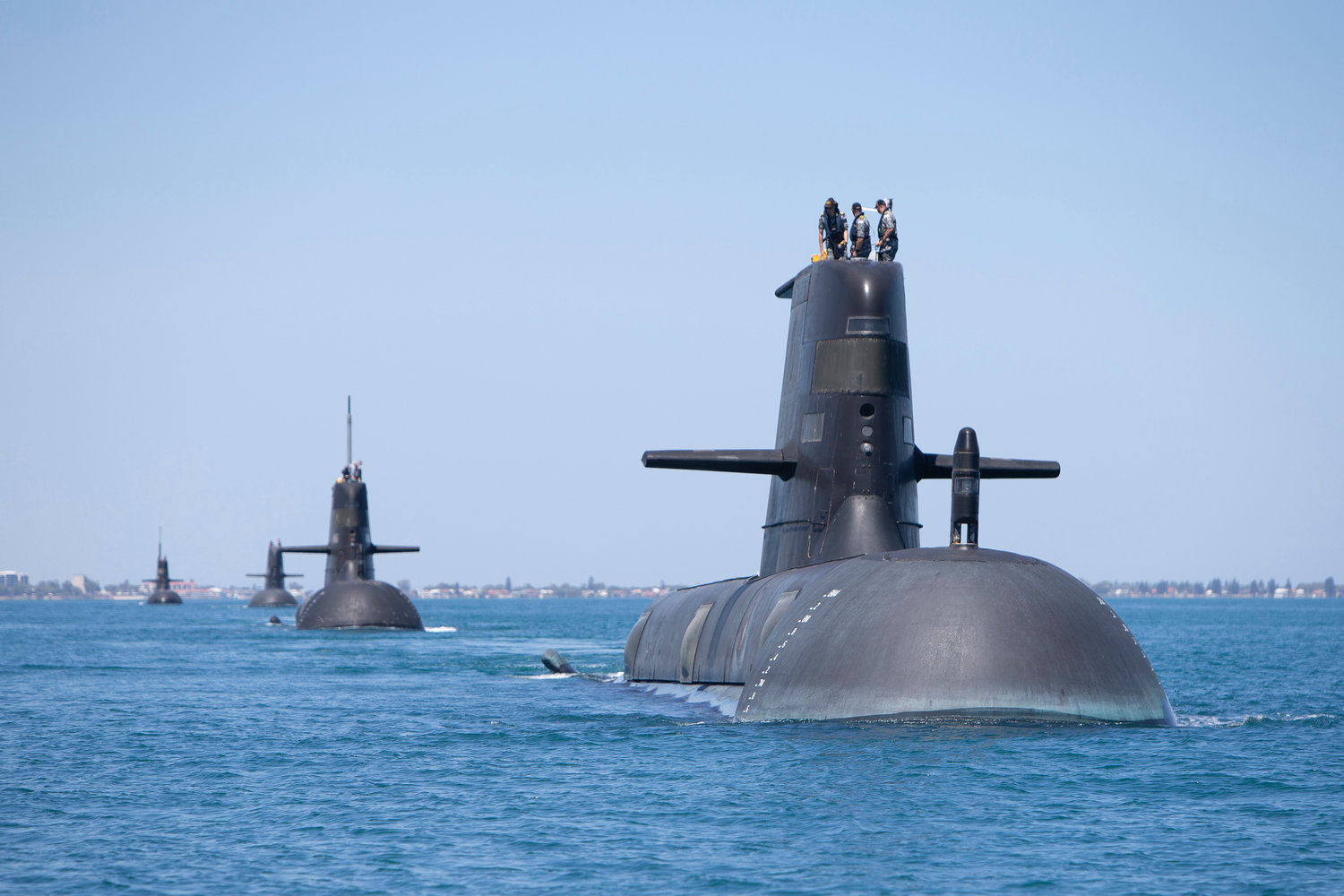
Defense Chiefs of the AUKUS military-industrial alliance met at the Defense Innovation Unit Headquarters at Moffett Field in California to discuss progress for the partnership, especially Pillar II, the broad based defense industrial collaboration. The three nations are also establishing an AUKUS Industry Forum with trilateral government and industry representatives to help inform policy, technical and commercial frameworks to facilitate the development and delivery of advanced capabilities. The initial meeting of that forum will occur in the first half of 2024. In a Joint Statement, the Secretaries and Deputy Prime Minister reaffirmed the three nations' commitment to maximize the strategic and technological advantage of AUKUS . They agreed that advancing AUKUS requires continued commitment to streamlining defense trade controls and information-sharing while minimizing policy and financial barriers across public and private sectors.
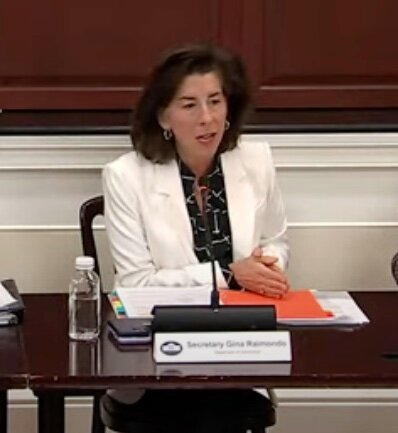
Commerce Secretary Gina Raimondo announced plans to create an Export Control Advisory Panel “to help us get our export controls to be more effective by having a continuous engagement with industry.” The announcement was included in her remarks to the Fall meeting of the President’s Export Council (PEC) November 29th which included a recap of AI initiatives and the announcement of a mission to the ASEAN region in March.