Bipartisan sponsors of long-stalled legislation targeting Russia’s energy revenues said they have reached agreement with the Trump administration on a revised sanctions bill, clearing the way for legislation that had been delayed for months over concerns about preserving presidential flexibility in negotiations with Moscow.

The Commerce Department’s Bureau of Industry and Security (BIS) has issued a final rule granting the United Arab Emirates enhanced favorable treatment under the Export Administration Regulations (EAR), a move that substantially expands the country’s access to sensitive U.S. technologies, including advanced semiconductors used for artificial intelligence.

The US walked back a 60-day pause on sanctions programs covering Iranian oil on Tuesday afternoon, issuing an amended general license.

The legislation would add a reporting tool to the emerging U.S. effort to police access to advanced AI computing power, not just the sale of chips. The two bills reflect a shift in export-control policy from tracking physical chip shipments to controlling who can use U.S. AI infrastructure and how misuse is detected.

The White House’s quantum orders put compliance teams on notice that quantum risk is becoming a regulated control environment. Federal contractors should expect post-quantum cryptography requirements, cryptographic bills of materials, new FAR clauses, vendor-risk questions and vulnerability-disclosure obligations, while quantum-adjacent industries face closer scrutiny under export-control, investment-screening, supply-chain and research-security regimes.

The Treasury Department has issued a temporary license authorizing transactions tied to the production, sale, delivery and offloading of Iranian-origin crude oil, petroleum products and petrochemical products, creating a narrow sanctions relief window that runs through Aug. 21.

A broad deemed-export approach could require companies to classify AI-related technology, screen personnel by nationality, segregate model access, seek licenses and audit internal use in ways many software companies have never had to do.

Bosch avoided criminal prosecution by voluntarily disclosing and remediating the Huawei shipments, but the $36 million BIS penalty shows that the Huawei Foreign Direct Product Rule remains a powerful extraterritorial enforcement tool reaching foreign-made commercial components sold by non-U.S. subsidiaries.
The reported version would give Iran early economic relief while narrowing the next phase to nuclear and sanctions issues, leaving missiles and regional proxies outside the bargain.

China’s outbound-investment rules mark an expansion of Beijing’s technology-control playbook. China is no longer only the object of foreign technology restrictions; it is preparing to act as a gatekeeper for technologies in which it has become globally competitive.

As Treasury Secretary Scott Bessent assiduously promotes President Trump’s trade agenda, Commerce Secretary Howard Lutnick’s star appears to have faded inside the Beltway — not because Commerce lacks power, but because Lutnick himself has become a complication.

The United States has moved Iran’s proposed Strait of Hormuz toll from the realm of maritime disruption into a sanctions-enforcement problem. OFAC’s designation of the newly formed Persian Gulf Strait Authority as a Specially Designated Global Terrorist entity means that shippers may face sanctions exposure even where they do not directly pay Iran, if their freight, charter or shipping payments are later used by vessel operators to satisfy an Iranian passage charge.

The authorization is an early public marker that OICTS is processing case-specific approvals under Commerce’s connected-vehicle rule, which targets vehicle connectivity systems and automated-driving software linked to China and other foreign-adversary jurisdictions.
BIS’s licensing backlog has become a management test for Under Secretary Jeffrey Kessler, exposing the gap between a tougher export-control posture and the bureau’s obligation to keep lawful technical trade moving. BIS’s last public benchmark showed average license processing at 38 days in FY 2023, but semiconductor and technology exporters now report waits of six to ten months, weaker communication and lost business. The record does not show Kessler created the backlog, but industry criticism has sharpened under his tenure as exporters, lawmakers and analysts question whether BIS can impose rigorous national-security controls without making U.S. suppliers unreliable in the markets those controls are meant to protect.
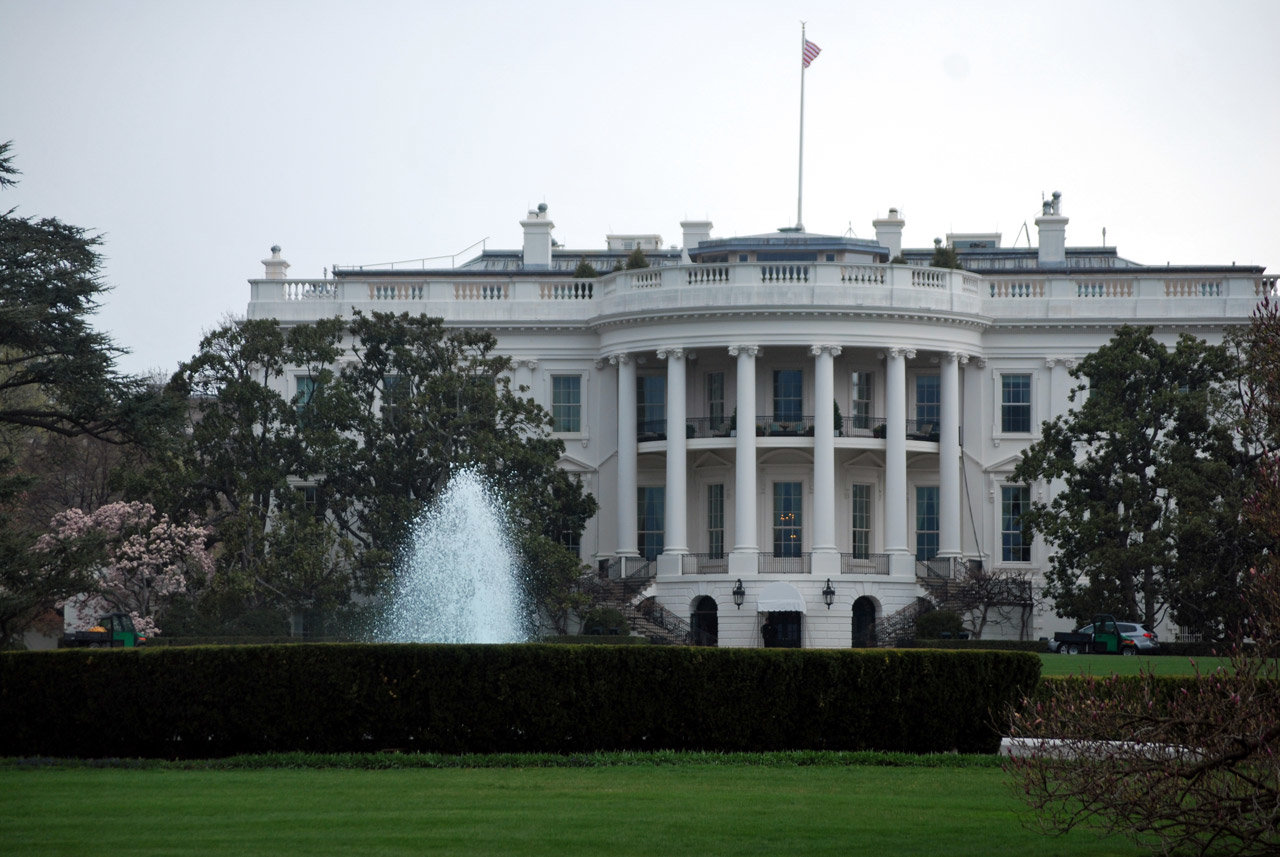
The White House has extended for another year the national emergency underpinning Commerce Department authority to review, mitigate or prohibit information and communications technology and services transactions, but a wording change in the renewal notice is prompting questions about whether the administration is trying to loosen the authority from its traditional “foreign adversary” frame.

House China hawks have introduced legislation that would prohibit federally funded researchers from using federal awards to collaborate with entities on U.S. government restricted-party lists or with individuals associated with those entities.

The Trump-Xi summit opens with Section 301 again at the center of U.S.-China trade leverage. USTR is moving on two fronts: preserving the 2018 China tariffs through a new four-year review while testing whether “structural excess capacity” can support a broader generation of tariffs against China and other manufacturing economies. Beijing’s pushback is therefore not a narrow objection to one probe; it is an effort to prevent Washington from rebuilding tariff leverage after court rulings weakened Trump’s emergency-tariff tools. For importers, the risk is that a fragile trade truce may coexist with a more durable Section 301 architecture aimed at Chinese industrial policy, third-country sourcing and strategic manufacturing sectors.

The Commerce Department’s Bureau of Industry and Security is asking Congress for a major increase in fiscal 2027 funding that would nearly double the bureau’s overall budget and sharply expand its export-enforcement arm, underscoring the administration’s view that export controls and import-related national security reviews now sit at the center of economic security policy.

A Paris criminal court’s conviction of Lafarge and eight former executives sharpens a compliance lesson already underscored by the company’s 2022 U.S. guilty plea: payments framed as security, transit, or operating costs in a war zone can be recast by prosecutors and judges as terrorism financing, sanctions evasion, and senior-management misconduct when a company chooses to keep business running under armed-group control.
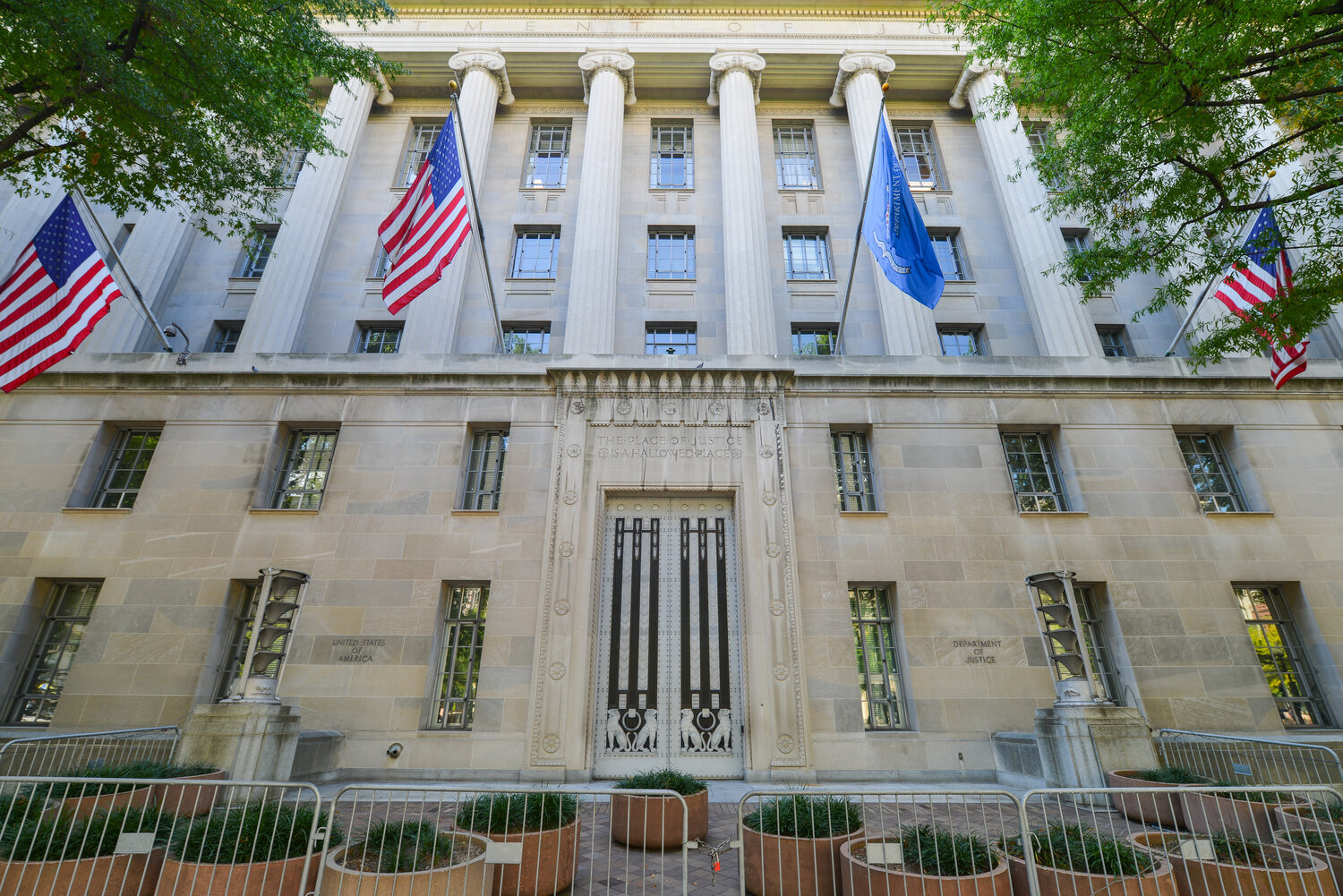
The Justice Department’s fiscal 2027 budget materials indicate that the National Security Division is trying to manage a growing enforcement and oversight docket with materially fewer lawyers in key offices, raising questions about how quickly the department can sustain its national security agenda across export controls, sanctions, foreign-agent cases, surveillance oversight, and foreign-investment reviews.