FinCEN on April 7 proposed a sweeping rewrite of Bank Secrecy Act program requirements that would recast anti-money laundering and counter-terrorist financing compliance around whether institutions maintain “effective,” risk-based, and reasonably designed programs, rather than around largely procedural or technical failures.

The White House is clarifying national security tariffs on steel, aluminum and copper, effectively eliminating the circuitous conversations about value that have kept importers of derivative products up at night over the past year, but likely raising the duties they will pay, starting Monday.

If one thing unites the commentators weighing in on the tempestuous year that followed President Donald Trump’s “Liberation Day” press conference and sweeping tariff announcements on April 2, 2025, it’s a sense of disappointment. The tariffs neither galvanized a boom economy nor wrought the vicious cycles of economic doom talking heads on either side of the political spectrum presaged.

WTO members clashed at the 14th Ministerial Conference in Yaoundé, Cameroon, over whether development flexibilities should remain a core legal entitlement for developing countries or be replaced by a narrower, needs-based system applied on terms largely shaped by major powers.
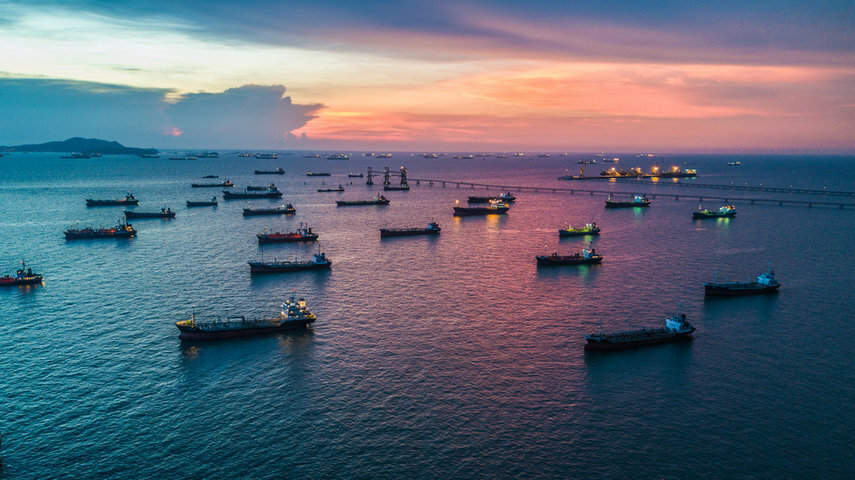
A week after the Trump administration issued a hall pass on Iranian oil sales, some international buyers are taking the bait, but questions remain as to how far they can stretch the definition of transactions “ordinarily incident and necessary to” purchases of the usually-illicit crude.

The Treasury Department’s Office of Foreign Assets Control on March 26 issued Belarus General License 14, authorizing transactions otherwise prohibited by the Belarus Sanctions Regulations involving state-owned banks and fertilizer exporters. The day before OFAC's announcement, President Lukashenko arrived in Pyongyang for a state visit to be capped by the signing of a "Treaty of Friendship" with DPRK strongman Kim Jong Un.

The Commerce Department’s new American AI Exports Program is beginning to draw scrutiny over the breadth of discretion it gives Washington to select favored industry players and pair export-control advantages with financing and diplomatic support, even as the administration casts the effort as a strategic vehicle for selling U.S. “full-stack” AI systems abroad.

The Justice Department on Thursday unsealed criminal charges against three men accused of using false end-user paperwork, Southeast Asian transshipment routes, and staged “dummy” equipment to divert U.S.-assembled AI servers to China.

President Trump and Japanese Prime Minister Sanae Takaichi used Thursday’s White House summit to roll out a broader-than-expected package of critical-minerals, energy, technology and defense initiatives, giving formal shape to a visit that had initially appeared likely to be dominated by Middle East security and alliance politics.

The WTO’s long-running moratorium on customs duties on electronic transmissions is again up for decision, with the current extension expiring at the close of the 14th Ministerial Conference in Yaoundé, March 26-29, 2026, unless ministers act. The issue has become more contentious because members are no longer debating only whether to roll over the status quo; they are also fighting over scope, permanence, and what institutional framework should succeed the current Work Programme on Electronic Commerce.
Democratic lawmakers on Monday sharpened their criticism of the Trump administration’s decision to approve at least one license for advanced Nvidia AI chip sales to China, arguing the move weakens U.S. national security.
Ambassador Jamieson Greer on March 2 transmitted President Trump’s 2026 Trade Policy Agenda and 2025 Annual Report to Congress, framing the package as a continuation—and intensification—of the Administration’s “America First” trade approach.

The federal government’s rush to roll out whistleblower portals has not (yet) translated into a surge of tip‑driven enforcement. At the same time, resource constraints and workforce turbulence threaten to hamstring agencies’ ability to act on the very information they solicit.
With the Supreme Court’s decision in Learning Resources v. Trump striking down tariffs imposed under the International Emergency Economic Powers Act, administration officials have pointed to another statute as a potential fallback: Section 122 of the Trade Act of 1974. Unlike IEEPA, Section 122 expressly authorizes a temporary “import surcharge” — “in the form of duties” — when “fundamental international payments problems” require import restrictions.

The Supreme Court of the United States ruled 6–3 that the International Emergency Economic Powers Act (IEEPA) does not authorize the President to impose tariffs. The decision invalidates the Administration’s “reciprocal” tariffs imposed under IEEPA on most U.S. trading partners.

On February 11, 2026, the U.S. Department of Commerce announced an administrative export-control settlement in which Applied Materials and its South Korea subsidiary agreed to pay $252.5 million to resolve allegations of unlawful exports (via reexports) of U.S.-origin semiconductor manufacturing equipment to the People’s Republic of China.

President Trump signed an executive order creating an “America First Arms Transfer Strategy,” directing federal agencies to use foreign weapons sales more deliberately to expand U.S. defense-industrial capacity, accelerate delivery to allies, and strengthen supply-chain resilience.

Lawmakers on the House Judiciary Committee this week sharpened scrutiny of the European Union’s Digital Services Act (DSA), framing the law as a regulatory regime capable of reshaping global online speech standards and imposing compliance burdens on U.S. technology companies.

As law firms, consultancies, and risk advisers circulate their annual “top issues for 2026” publications, a clear pattern emerges. While the subject matter spans customs, sanctions, export controls, AML, and enterprise risk, the underlying message is consistent: compliance risk in 2026 is broader, faster-moving, and more strategic than ever before.
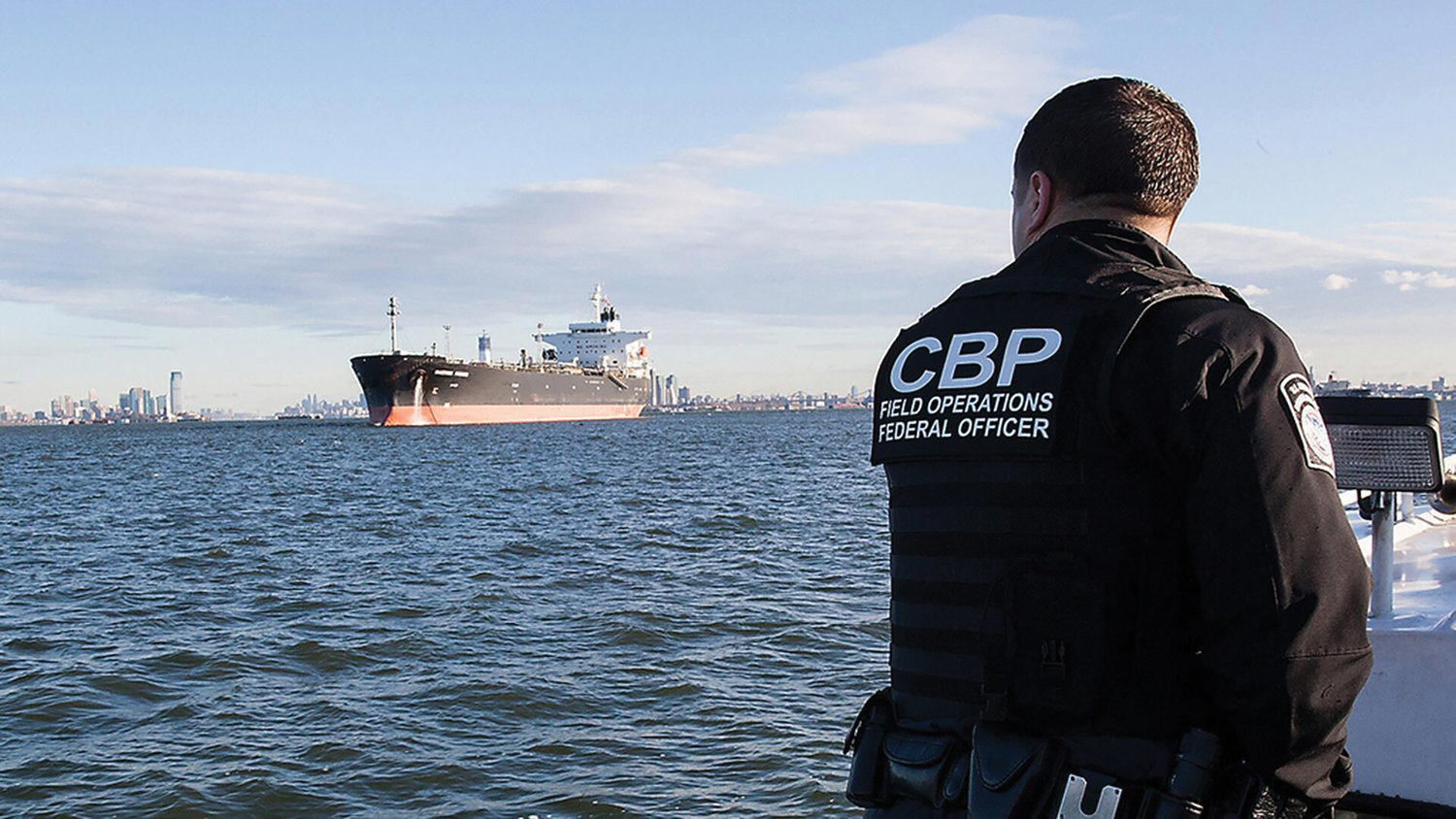
As Congress approaches the midnight January 30 deadline to avert a lapse in funding for the Department of Homeland Security (DHS), the prospect of a partial government shutdown has heightened concerns about the continuity of U.S. Customs and Border Protection (CBP) operations.