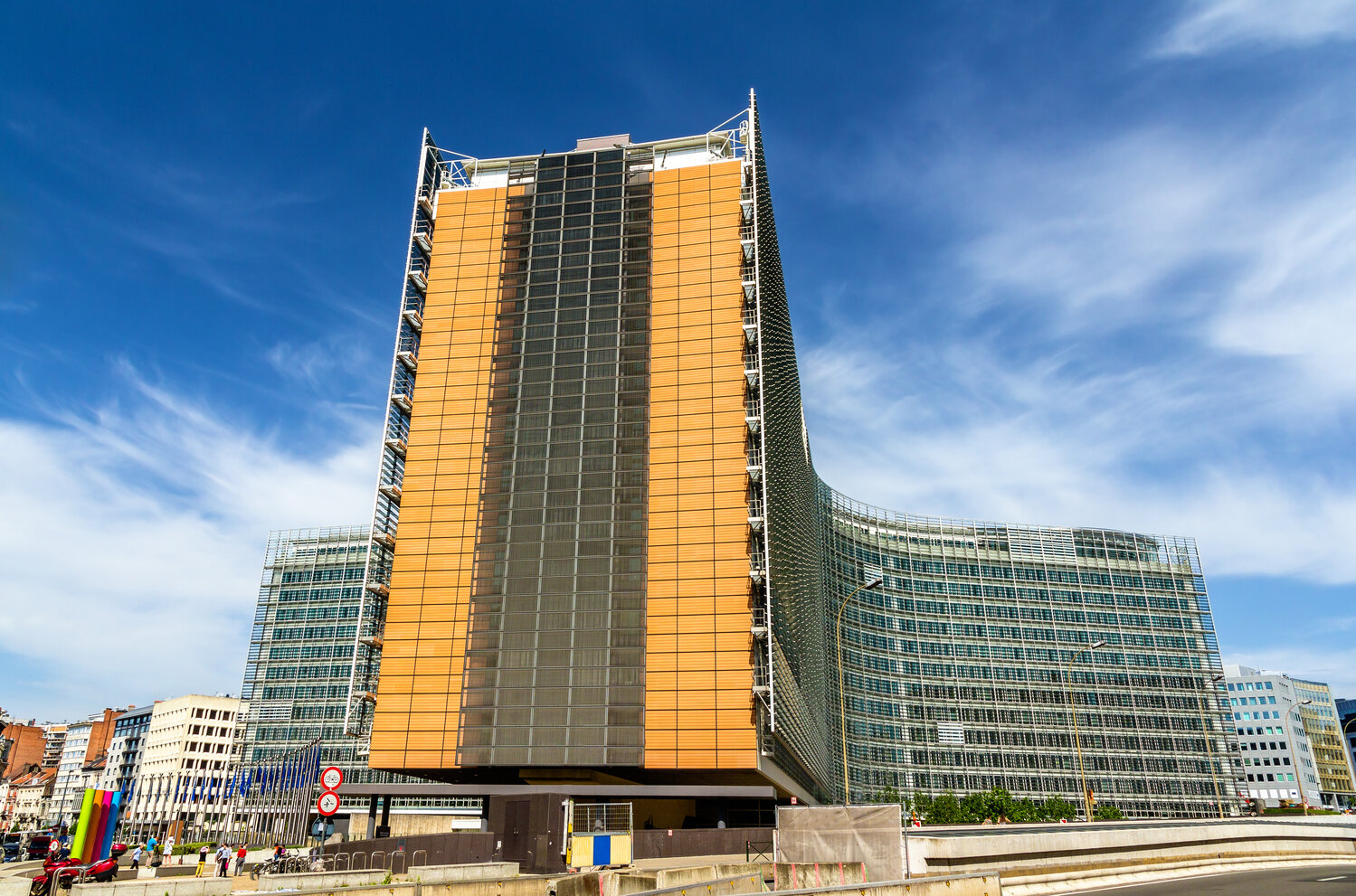
As Moscow's war against Ukraine enters its fourth (or eleventh) year, the European Commission announced the Council's adoption of the 16th sanctions package against Russia. As is customary, the United Kingdom announced complementary sanctions. Unlike with prior initiatives, the United States did not join in the effort, reflecting the new rapprochement between Washington and the Kremlin. The 16th sanctions package intensifies restrictions on key sectors of Russia's economy, including energy, trade, transport, infrastructure, and financial services.

Last week President Trump signed a directive aimed at protecting American companies from foreign-imposed taxes, fines, and regulatory restrictions, vowing to take retaliatory action against governments that unfairly target U.S. businesses. The Presidential Memorandum, titled Defending American Companies and Innovators From Overseas Extortion and Unfair Fines and Penalties, outlines the administration’s commitment to countering digital services taxes (DSTs) and other financial measures that disproportionately affect U.S. technology firms.
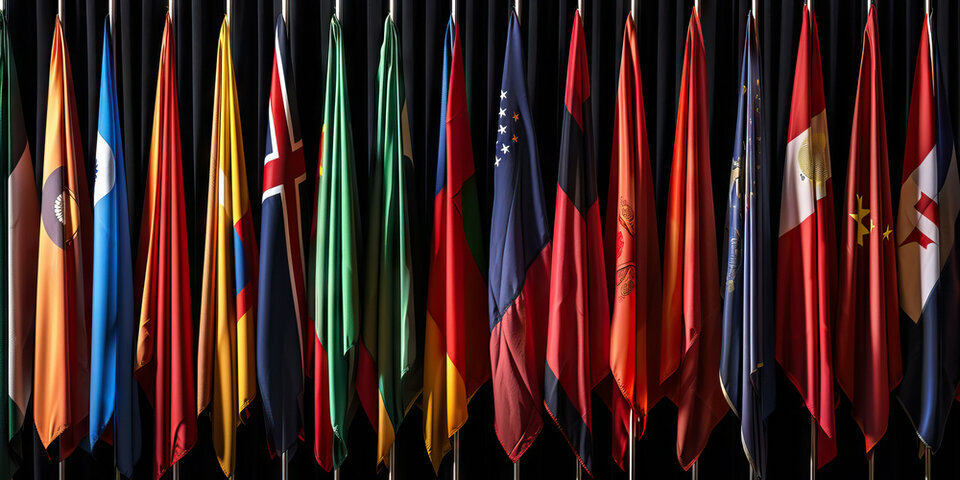
The global response to U.S. tariff measures has ranged from diplomatic negotiations to retaliatory actions. While the EU and Japan seek exemptions through dialogue, China and Canada have taken more direct countermeasures. Meanwhile, countries like Malaysia, South Africa, and India are exploring strategies to protect key economic sectors from the impact of U.S. tariffs. One certain outcome is that regional and country-specific trade agreements which exclude the United States will continue to be inked among countries determined to ensure their supply lines aren't jeopardized by the caprices of President Trump.
President Donald Trump has unveiled a new initiative aimed at reshaping U.S. trade policy by imposing reciprocal tariffs on foreign goods. The plan, introduced through a presidential memorandum, directs federal agencies to study and propose tariffs that mirror those imposed by U.S. trading partners. The administration maintains that the new tariff structure would bolster American manufacturing by incentivizing companies to produce goods domestically. “There are no tariffs if you manufacture or build your product in the United States,” Trump added. However, concerns over potential inflationary pressures remain. When asked whether the policy’s impact on consumer prices would be analyzed, Trump dismissed the need for further study. “There’s nothing to study,” he asserted. “It’s going to go well.”

Monday Feb 10, President Trump issued an executive order halting the initiation of new Foreign Corrupt Practices Act (FCPA) investigations and mandating a review of ongoing enforcement actions. The order comes in the wake of several high-profile corporate settlements under the statute, underscoring the administration’s concerns that current enforcement of the 47 year old Law is detrimental to U.S. economic competitiveness and national security.

The trade group representing 270 American companies operating in China, announced its policy priorities for US-China commercial relations. "With new US leadership, USCBC sees a fresh chance to address structural issues in China’s economy that disadvantage American businesses, workers, and farmers," states The US-China Business Council (USCBC) in announcing the report. The report calls for ensuring the enforcement of China’s “phase one” commitments, preserving China’s permanent normal trade relations status, and "recalibrating national security restrictions" Including reversing the AI Diffusion Rule introduced at the close of the prior administration.
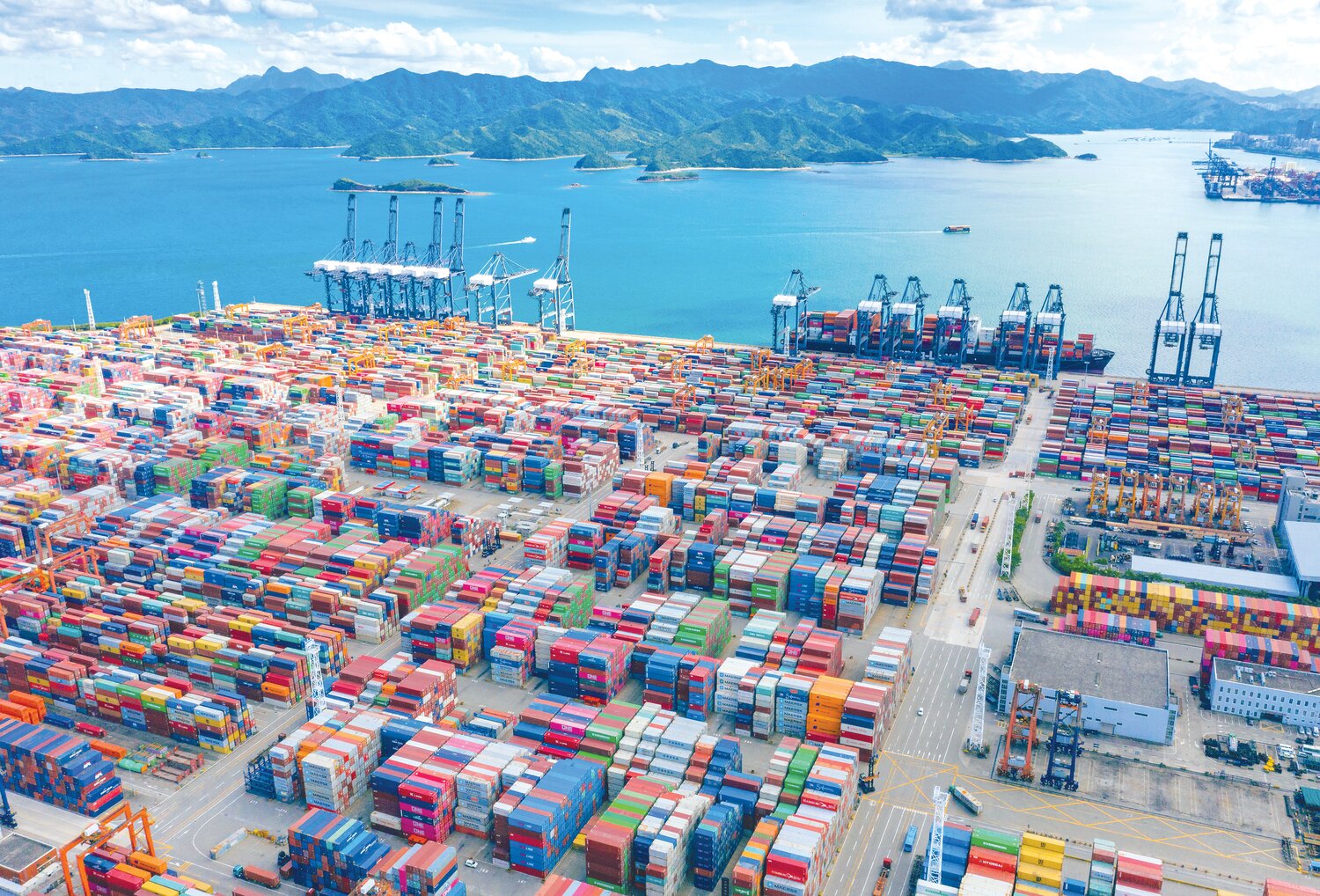
The Trump administration’s pledge of across-the-board tariffs have many U.S. companies concerned about higher-priced inputs and disrupted supply chains. This article explores the insurance coverage options, such as political risk insurance and trade credit insurance, that can offer coverage to protect against and mitigate trade-related risks. This article also provides advice on how policyholders can maximize coverage should a loss occur, and further discusses the impact that tariffs might have on the insurance market, including premiums for certain types of insurance lines.
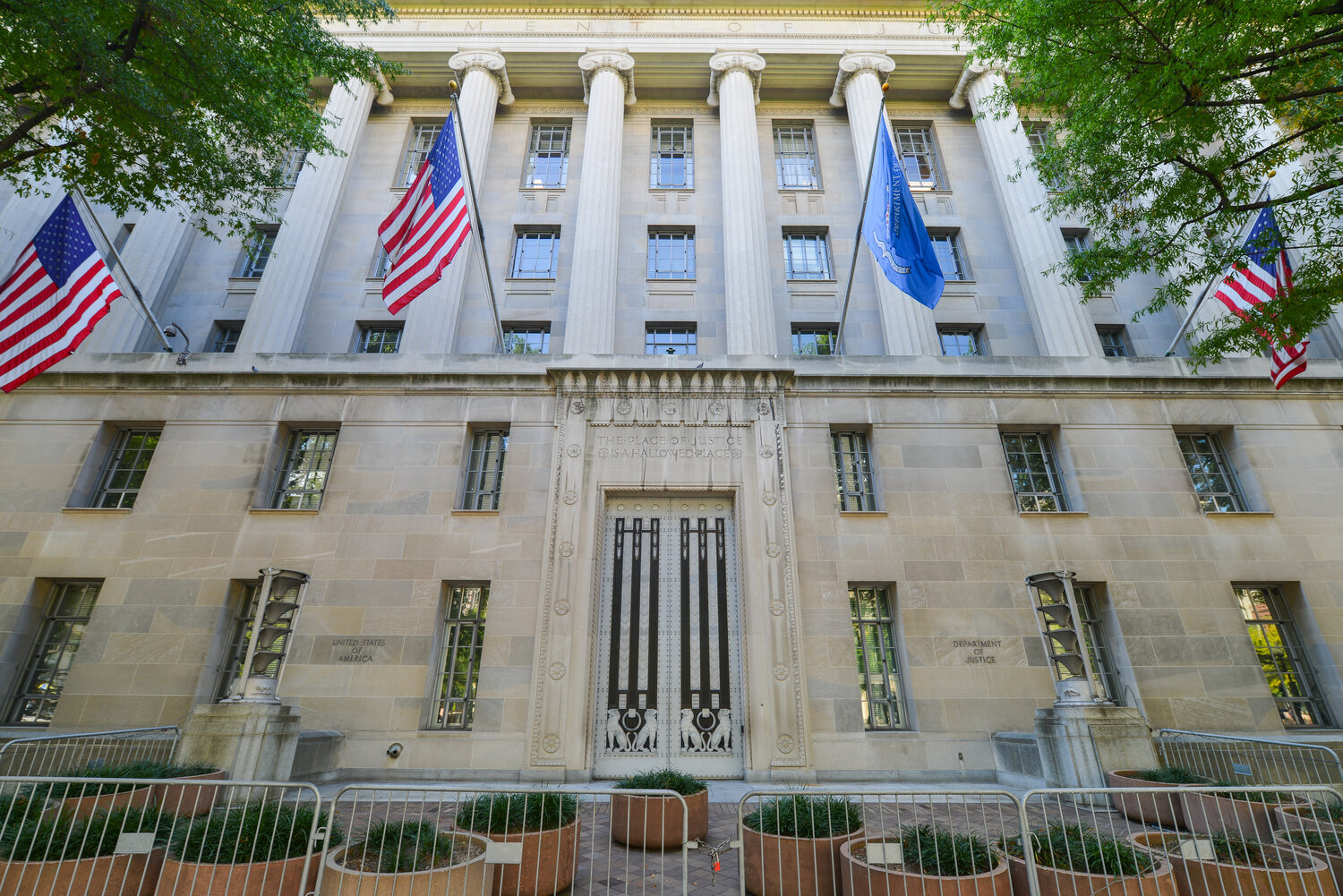
Her first full day as Attorney General, Pam Bondi issued a raft of policy changes, including a memorandum outlining the new administration's policies on charging, plea negotiations and sentencing. Tacked onto the end of the five-page memo, Ms. Bondi continued the purge of the National Security Division, disbanding the Foreign Influence Task Force and the National Security Division's Corporate Enforcement Unit, and instructing the Counterintelligence and Export Control Section to "focus on civil enforcement, regulatory initiatives, and public guidance." Another memo directs FCPA directs prosecutors to prioritize the investigation drug cartels and transnational criminal organizations (TCOs) and to “shift focus away from cases that do not involve such a connection.”

Tuesday February 4th the White House issued a National Security Memorandum (NSM) directing multiple federal agencies to impose maximum pressure on the Government of the Islamic Republic of Iran. The memorandum outlines aggressive measures aimed at denying Iran all paths to a nuclear weapon, countering its regional influence, and disrupting its financial and military networks.
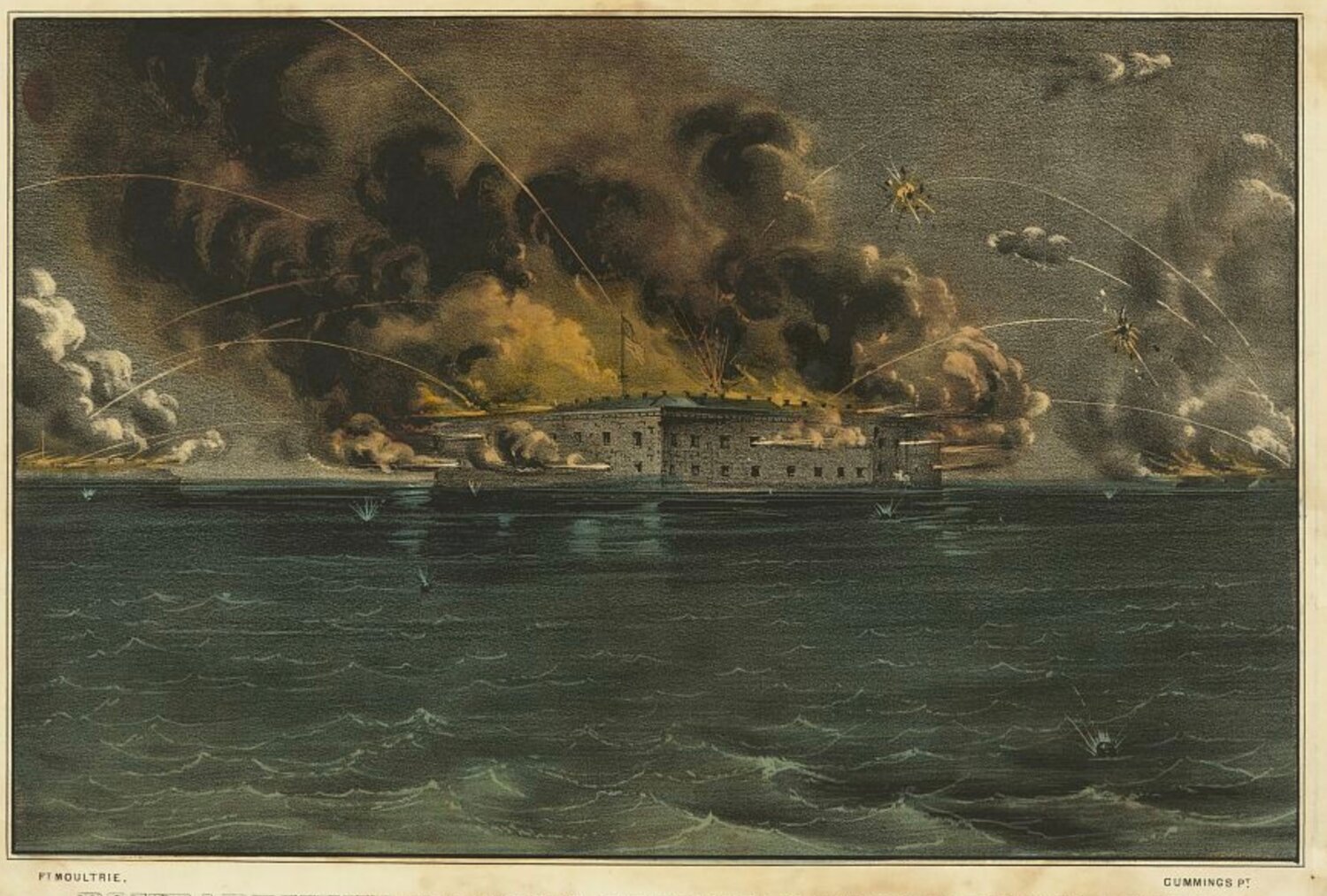
After a false start with Colombia last weekend, the Trump Tariff War of 2025 has officially begun, with new levies on imports from the top US trading partners, accounting for 40% of the goods imported into the US last year, Friday, White House spokesperson Karoline Leavitt told reporters duties of 25% on Canadian and Mexican goods and 10% on Chinese roods would be published on Saturday and would take effect immediately. The president also said he planned "absolutely" to impose tariffs on the European Union in the future, saying the bloc had not treated the US well.

House China hawks called for the National Security Advisor to review the potential national security benefits of placing export controls on semiconductor chips critical to the AI infrastructure of People's Republic of China (PRC) company, DeepSeek. As part of the review, the lawmakers also asked to strengthen controls on shipments through third countries that pose a high risk of diversion to the PRC. The lawmakers further requested that Mr. Waltz consider updating Federal Acquisition Regulations to prohibit the federal government from acquiring AI systems based on PRC models such as DeepSeek, except for appropriate intelligence and research purposes.

The State Department released an update on the prior year's arms trade, with Foreign Military Sales at their highest levels in history and Direct Commercial Sales up smartly from the prior period. In FY2024 the total value of transferred defense articles and services and security cooperation activities conducted under the Foreign Military Sales system was $117.9 billion. This represents a 45.7% increase, up from $80.9 billion in FY2023.

President Donald Trump, in his first international address of his second term, addressed delegates at the 2025 World Economic Forum in Davos, Switzerland. Pledging a “revolution of common sense,” he vowed to “solve every single crisis facing our country.”
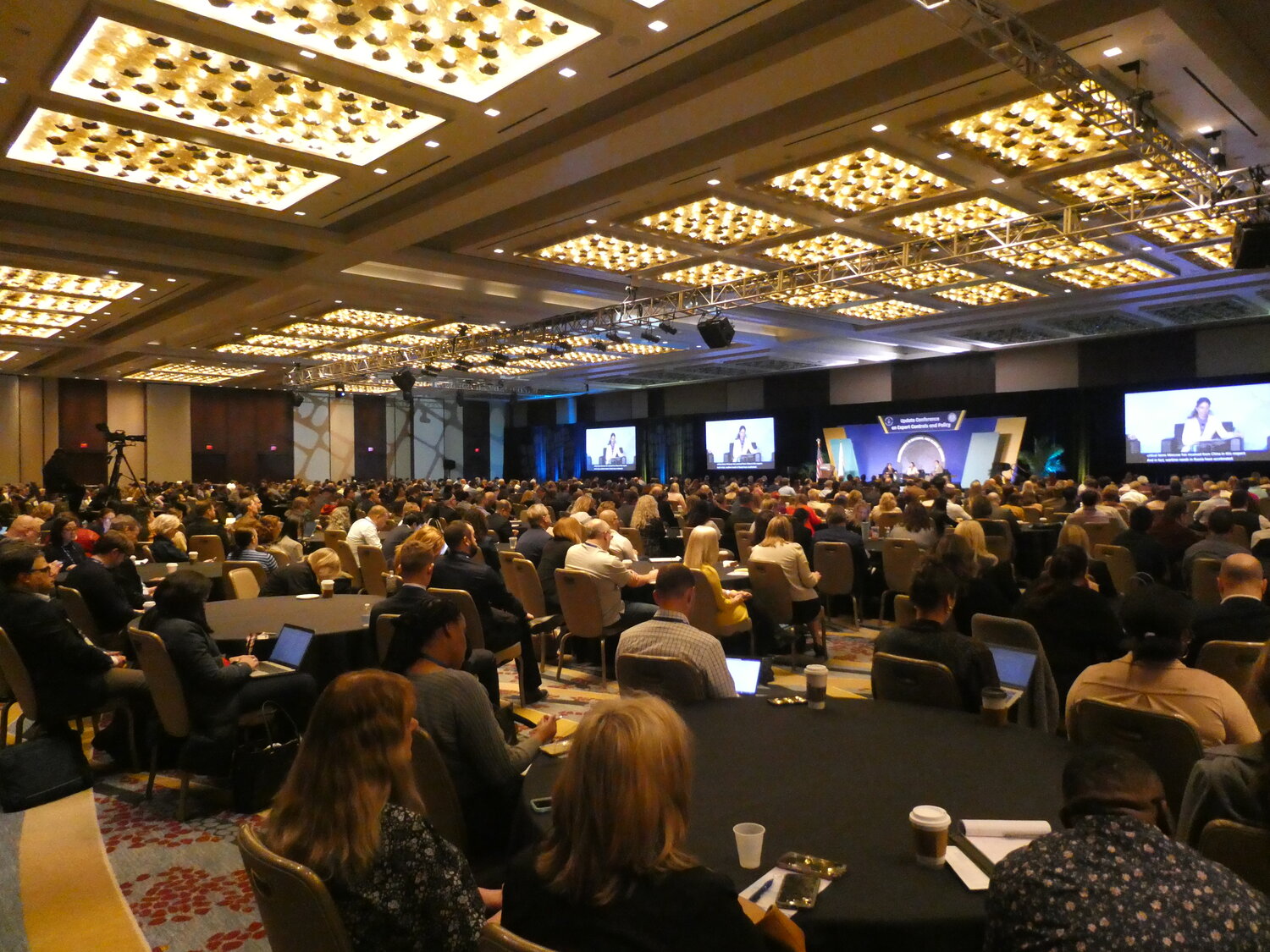
The Bureau of Industry and Security (BIS) will hold the 2025 Update Conference on Export Controls and Policy from Tuesday, March 18 through Thursday, March 20 at the Washington Hilton hotel in Washington, D.C. This 37th annual conference will be offered in-person only, for two and a half days, with an evening reception. The registration fee will be $1,750. Sessions will include keynote speakers, plenaries, breakout sessions, and live Q&A with BIS and other agency experts. Specific details and agenda to come.
His first day back at the Resolute desk, President Trump issued an executive order outlining the administration’s “America First” trade policy. The memorandum, addressed to senior officials across multiple federal agencies, sets a comprehensive agenda for addressing trade imbalances, unfair practices, and national security concerns tied to international commerce, with much of the review and reporting due April 1st, or ten weeks from the date of the Order.

The Department of Commerce’s Bureau of Industry and Security and the Treasury’s Office of Foreign Assets Control imposed approximately $2.5 million in combined civil penalties against a California machine tool builder for permitting authorized distributors to sell equipment and repair parts to sanctioned entities in China and Russia, “Today’s coordinated resolution with OFAC demonstrates our resolve to hold accountable companies that do not put in place effective compliance programs to prevent exports to Entity Listed companies,” said Acting Assistant Secretary for Export Enforcement Kevin J. Kurland.
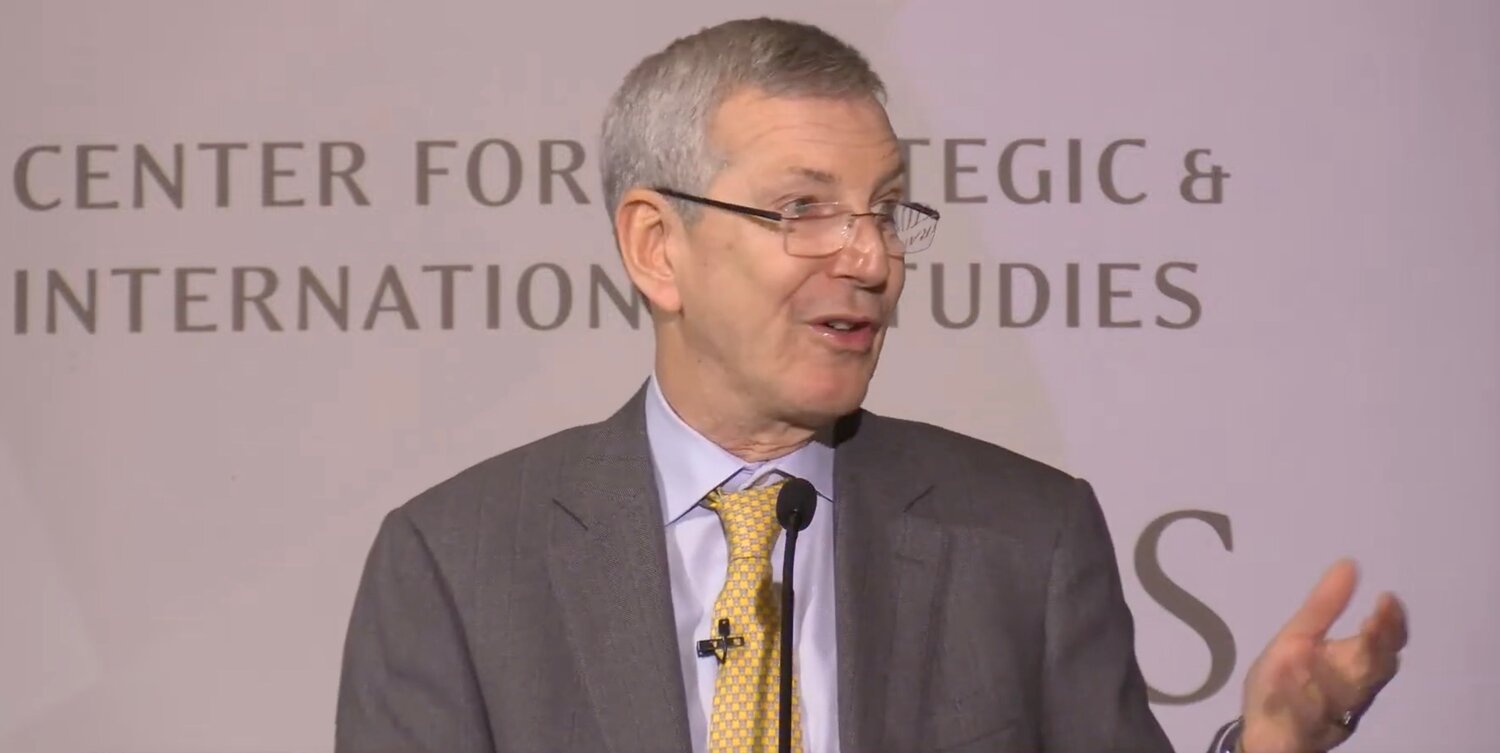
Alan Estevez, Undersecretary of Commerce for Industry and Security, delivered remarks January 14th at Washington's CSIS Wadhwani AI Center, focusing on the evolving role of export controls in safeguarding U.S. national security and addressing technological threats. The conversation, moderated by Greg Allen, Director of CSIS's Wadhwani AI Center, covered key achievements, challenges, and future priorities for the Bureau of Industry and Security (BIS).
The Biden Administration released its proposed "AI Diffusion Rule" Monday morning, aiming to control exports of chips used for artificial intelligence. Quotas will restrict the number of chips to be exported to about 120 countries, while a short list of G-7 and other allied countries are exempt from restrictions. Sales to China, Iran, Russia & North Korea are blocked. The limits focus on Advanced Graphics Processing Units (GPUs) used to train AI models. Cloud services providers like AWS and Microsoft will enjoy some waivers from the rules, in a material concession to the data center industry. Cloud providers will have geographic limits, ensuring no more than half their computing power resides offshore.

The trade security community spent last week atwitter over the widely anticipated export controls on Artificial Intelligence related technology. The "Export Control Framework for Artificial Intelligence Diffusion" rule aims to control the global shipments of graphics processing units (GPUs) to forestall diversion through third countries. Restrictions are said to include geographic controls as well as a worldwide licensing system that includes reporting requirements and exceptions. The rule is expected to be introduced in final form, dispensing with the customary review and public comment process. As the publication was expected Friday, some in the rulemaking process may be having second thoughts about that.

University of Michigan has announced it is ending its joint institute with Shanghai Jiao Tong University (SJTU). In a letter, Santa Ono, president of the University of Michigan, said following a thorough review the university has initiated the six-month process to “officially end the partnership” with Shanghai Jiao Tong University in the Chinese metropolis of Shanghai. Ono said the university, while valuing academic international partnerships, takes “matters of national security very seriously” and will better vet visa requirements for international students.