The Bureau of Industry and Security (BIS) has issued a notice seeking public comment on a revised information collection covering miscellaneous licensing, reporting, and enforcement requirements under the Export Administration Regulations (EAR). The collection applies to exports, reexports, and in-country transfers of items subject to BIS controls and reflects requirements in Parts 744 (controls based on end use/end user), 748 (license applications), and 758 (export documentation and reporting) of the EAR.

The Pentagon’s accelerating pivot toward commercial and dual-use technologies is set to increase the Bureau of Industry and Security’s licensing workload by orders of magnitude, irrespective of whether the proposed “Affiliates Rule” is finalized.
The U.S. Department of State has issued a final rule removing Cambodia from the list of prohibited recipients under the International Traffic in Arms Regulations (ITAR) Section 126.1.
Routine, non-emergency license processing remains largely suspended at both the Commerce and State Departments, though each has resumed limited operations. The Bureau of Industry and Security (BIS) continues enforcement, emergency licensing, and national-security functions with reduced staff, while the State Department’s Directorate of Defense Trade Controls (DDTC) is cautiously restarting essential export activities.
The U.S. Department of State’s Directorate of Defense Trade Controls (DDTC) has resumed limited operations following a partial shutdown, allowing key regulatory activities to continue despite ongoing constraints stemming from the lapse in government appropriations.

The Commerce Department’s Bureau of Industry and Security (BIS) has renewed the temporary denial order (TDO) against Ural Airlines JSC, extending the carrier’s export-privilege ban for one year.

(OFAC) has issued General License No. 11, authorizing certain transactions involving Open Joint Stock Company Belavia Belarusian Airlines, the state-owned flag carrier of Belarus. In a related action, BIS issued a letter authorizing, among other activities, flights of certain Belavia aircraft between Belarus and most other destinations.
Chris Stagg and his team at Holland & Knight have published a survey of the U.S. Department of State’s Directorate of Defense Trade Controls (DDTC) regulatory agenda, highlighting ten planned International Traffic in Arms Regulations (ITAR) and U.S. Munitions List (USML) initiatives expected in the coming year.
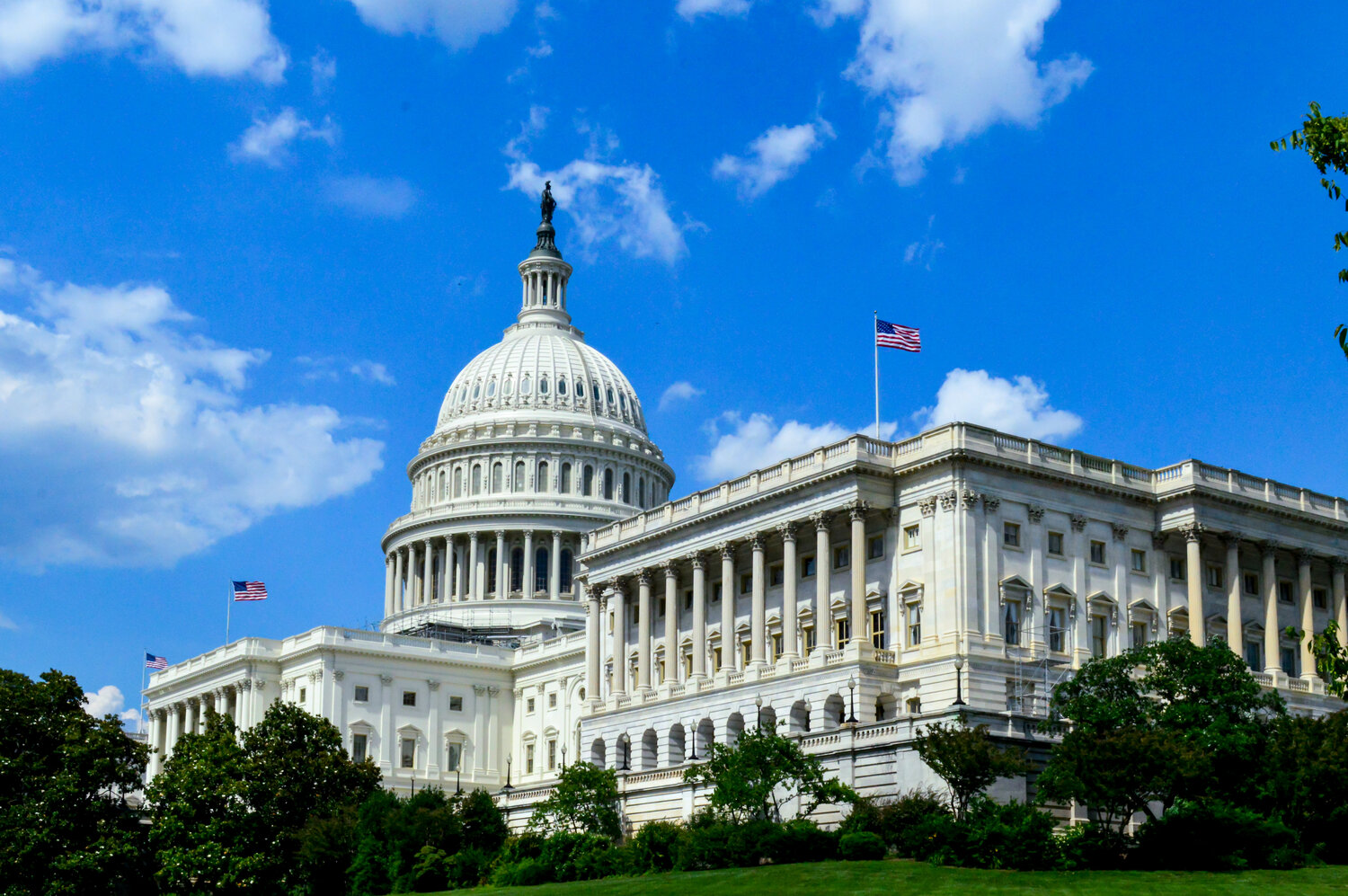
The U.S. House of Representatives on Tuesday passed three bipartisan bills spearheaded by the House Foreign Affairs Committee’s (HFAC) Foreign Arms Sales Task Force, advancing reforms to modernize the U.S. foreign military sales process, strengthen the defense industrial base, and expedite arms transfers to trusted allies.

The Department of State has issued an interim final rule revising the International Traffic in Arms Regulations (ITAR), updating several categories of the U.S. Munitions List (USML) and introducing a new license exemption for certain unmanned underwater vehicle (UUV) operations.
The Bureau of Industry and Security (BIS) has opened a 60-day comment period on its information collection covering export license exceptions and exclusions. The review, affecting more than 27,000 respondents, aims to balance streamlined export procedures with recordkeeping needed for national security oversight

The Commerce Department’s Bureau of Industry and Security (BIS) has issued a final rule revoking Validated End-User (VEU) authorizations for three major foreign-owned semiconductor facilities in China, closing a "loophole" that had permitted license-free exports of U.S. technology to those sites. The impacted facilities are owned by South Korean semiconductor manufacturers Samsung and SK Hynix.
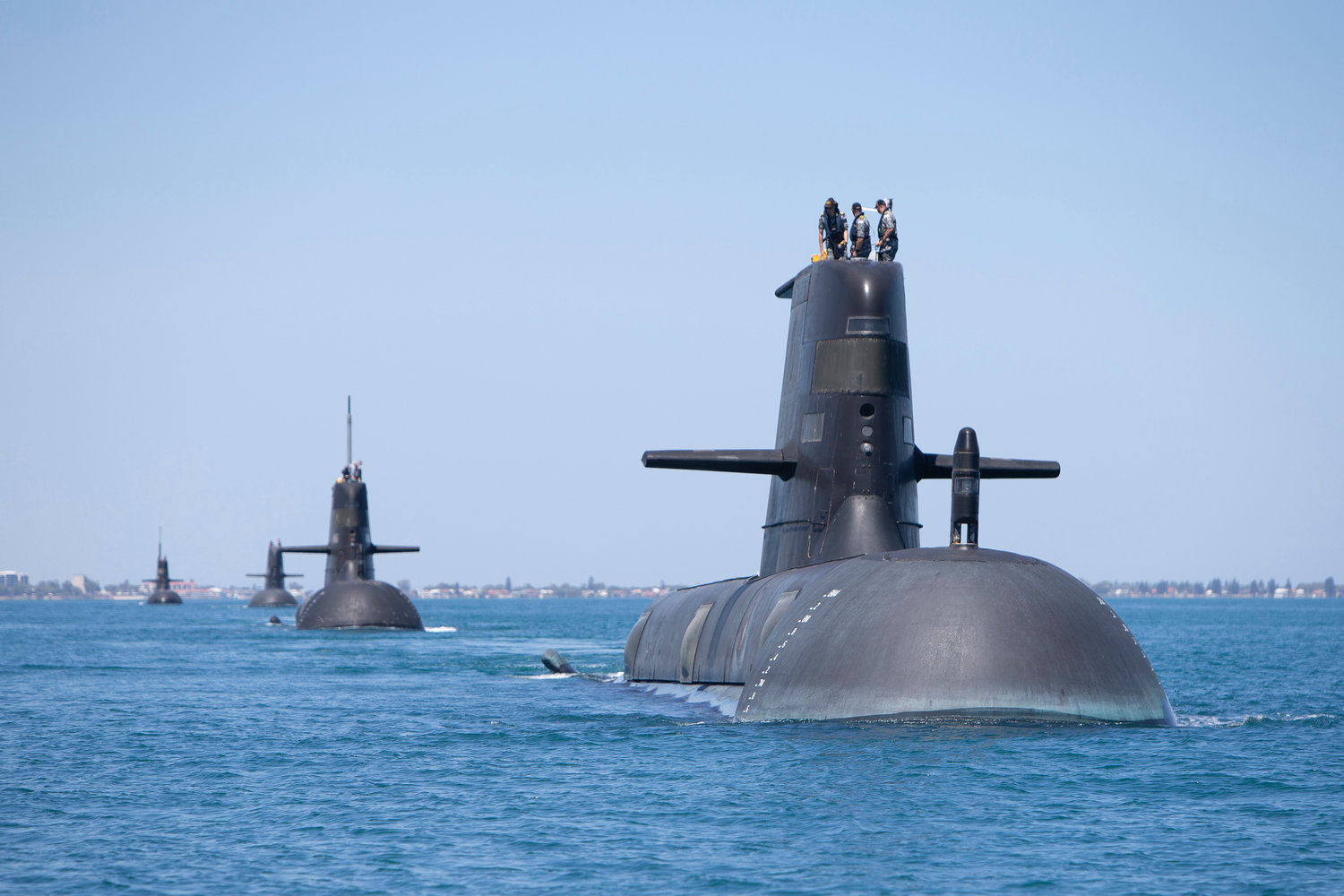
Bipartisan lawmakers are pressing forward with two complementary bills to accelerate defense cooperation under the AUKUS security pact, each targeting different choke points in the export-control process. Former House Foreign Affairs Chairman Michael McCaul (R-Texas) and Rep. Gabe Amo (D-R.I.) have introduced the AUKUS Improvement Act, a narrowly tailored measure to remove duplicative reviews in Foreign Military Sales
The State Department has opened a 60-day comment period on the proposed extension of the Nontransfer and Use Certificate (Form DSP-83), used for exports of significant military equipment and classified defense articles under the International Traffic in Arms Regulations (ITAR).
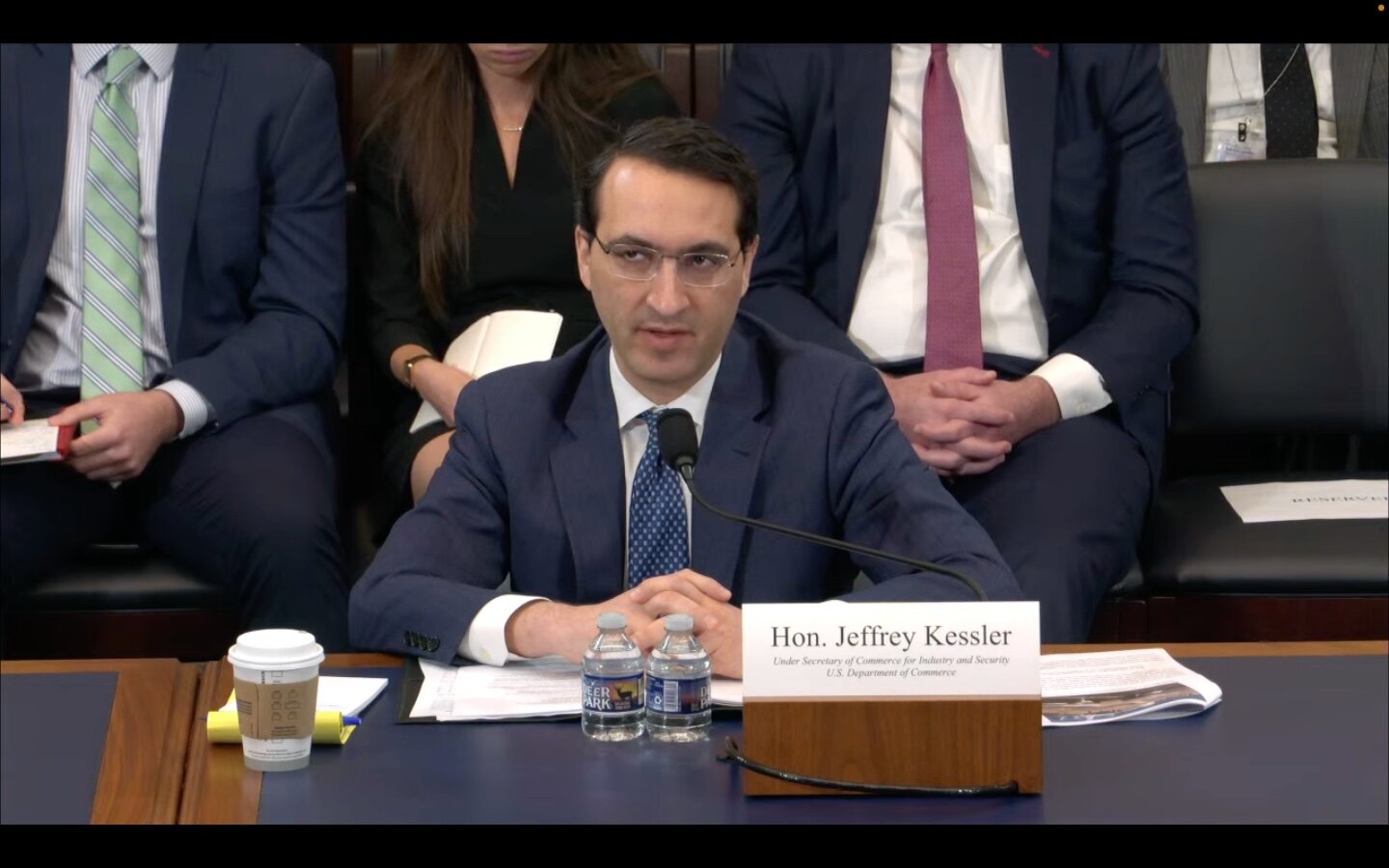
Nearly two months after Under Secretary of Commerce for Industry and Security Jeffrey Kessler assured Congress that his bureau was “driving forward” U.S. export control policy, internal and external frustrations are mounting over what industry, lawmakers, and former officials describe as a near-paralysis in licensing and rulemaking.
BIS continues its migration to the bis.gov website, announcing revisions to the notifications portal, guidance and forms access.

The House Foreign Affairs Committee’s (HFAC) Foreign Arms Sales Taskforce has released an updated summary of key legislative proposals under consideration to reform and accelerate the U.S. foreign military sales (FMS) and export control system. Remaining to be seen is whether HFAC Chairman Brian Mast (FL) has the temperament and operational discipline to bring the legislation to markup and referral to vote by the House.
The Department of State has issued a final rule amending the International Traffic in Arms Regulations (ITAR) to incorporate changes mandated by recent United Nations Security Council resolutions, expand NATO-related references, revise entries for major non-NATO allies, and make other technical corrections.

Tuesday, the Department of Commerce (DOC) initiated a rescission of the Biden Administration’s AI Diffusion Rule, while announcing additional steps to strengthen export controls on semiconductors worldwide. Below find links to the Commerce Guidance issued with the changes.

The U.S. Department of State’s Directorate of Defense Trade Controls (DDTC) has released its Annual Report to Congress on Direct Commercial Sales (DCS) Authorizations to Foreign Countries and International Organizations for Fiscal Year (FY) 2024.